This video compares the recoil and muzzle rise of the Chiappa Rhino 60DS and the Smith & Wesson Model 29, both chambered in .44 Magnum. Using the same 300-grain PPU jacketed soft point ammunition, the test demonstrates a significant reduction in muzzle rise with the Chiappa Rhino, estimated to be less than half that of the S&W Model 29. The presenter notes that they did not actively try to mitigate recoil, allowing the revolvers to roll back naturally in their hands.
This video explores the perceived recoil and muzzle rise of various firearms, including the Glock 17 Gen 6, Glock 47, Staccato P45, HD4, HD45, and Zerat Arms Waltz 9. Instructor Ben Stoeger discusses how different recoil impulse characteristics, spring setups, and shooter grip techniques influence the subjective experience of a firearm's 'softness' or 'snappiness,' emphasizing the importance of a locked wrist and consistent input for recoil management.
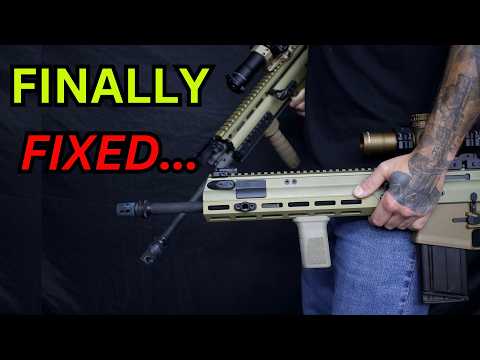
This review of the FN SCAR 17S Gen 2 highlights significant upgrades over the original model, particularly the hydraulic buffer which noticeably reduces felt recoil and muzzle rise. While FN claims over $1,000 in upgrades, the value proposition is debated, especially for owners of the SCAR 20S. Key improvements include an updated M-LOK handguard, ambidextrous controls, and a refined bolt carrier group, though some components like the stock and safety lever still feel less premium than expected for the price point. The video also touches on suppressor compatibility and potential warranty concerns.
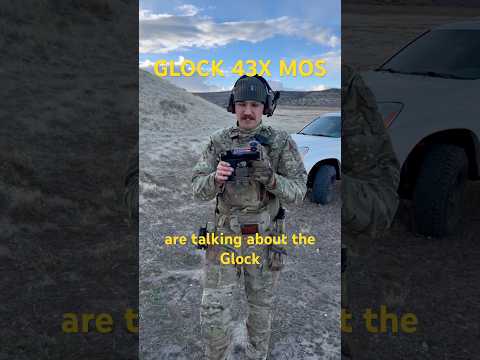
This video provides an expert overview of a customized Glock 43X MOS, favored for concealed carry. The instructor, demonstrating experienced firearm handling, details the setup including an EPS Carry, Radian furniture, TLR-7 SUB light, and Shield Arms magazines. Key insights are shared on the Radian Afterburner compensator's effectiveness in managing muzzle rise, distinguishing it from recoil reduction.
This guide details the process of modifying a Walther PDP pistol by adding slide porting to reduce felt recoil and muzzle rise. The process involves sending the slide to a specialized service like 3655 Weapons, selecting port configuration, and reassembling the modified slide. The speaker, demonstrating experienced authority, confirms this modification effectively enhances control during firing.
This guide details the process of modifying a Walther PDP to address perceived excessive recoil and muzzle rise. The presenter utilized the services of 365 Weapons in Oregon for a porting modification, opting for a six-port configuration. This modification aims to improve control and reduce muzzle flip, making the compact pistol more manageable during rapid fire. The process involves selecting a qualified gunsmith and discussing specific porting options to achieve the desired performance enhancements.
This guide details a test comparing the controllability of a Glock pistol equipped with a full-auto switch, both as a standalone handgun and when integrated into a Meta Tactical Apex carbine chassis. The expert demonstrates significant muzzle climb with the handgun configuration, while the chassis greatly improves stability and accuracy. This comparison highlights the practical differences in managing full-auto fire with different setups.
This guide details techniques for managing the recoil of the Springfield Hellcat, a micro-compact 9mm pistol popular for EDC. The video highlights that while concealable, the Hellcat exhibits significant muzzle rise and 'snappiness' due to its size. Expert advice focuses on grip, stance, and controlled breathing to mitigate recoil for faster follow-up shots.
This review details the performance and reliability of the ported Kimber 2K11 pistol. The speaker, an experienced reviewer, highlights its fast shooting capabilities, effective porting that significantly reduces muzzle rise, and a surprisingly good trigger. Despite a flawless 1,000-round reliability test, some malfunctions were attributed to problematic Federal ammunition. The 2K11 is positioned as a strong contender in the premium 2011 market.
This video explores the effectiveness of firearm compensators (comps) through a subjective test across various pistol platforms. Instructors Kaya and Eliza differentiate between compensators and ported barrels, then rate multiple guns, from 2011s to high-end competition models and striker-fired options. They conclude that while comps significantly reduce muzzle rise for competition and range use, their drawbacks like increased blast, noise, and flash make them less ideal for combat or home defense.
This video provides an expert analysis of the Glock 19 Gen V and the ported Glock 19C Gen V. The instructor, Kaya, details the functional differences, explaining how porting reduces muzzle rise by venting gases but significantly increases muzzle flash and noise. The comparison highlights the trade-offs, suggesting ported models might be less ideal for home defense due to these factors.
This video explains the effectiveness of the KRISS Vector's SUPER V System in mitigating recoil, particularly for the .45 ACP caliber. The instructor highlights how the system reduces muzzle rise, making shooting smoother even in semi-automatic fire. It also touches upon the potential for enhanced shooting speed with aftermarket Forced Reset Triggers (FRTs), though KRISS does not officially recommend them.
Gun Laws by State
Read firearms regulations for all 50 states + D.C.
Find Gun Dealers
Search licensed FFL dealers near you.