This video discusses the use of deadly force by ICE officers in the Alex Pretti incident. The speaker argues that while officers may have been genuinely afraid, their fear must be reasonable and based on training, not just panic or incompetence. The analysis emphasizes that initiating a confrontation or using excessive force can negate a claim of self-defense, even if fear is present.
This video analyzes a controversial ICE shooting incident involving Alex Jeffrey Pretti, highlighting critical issues of federal agent training, use of force, and citizen rights. The speaker, a Marine Corps veteran with expertise in constitutional law and tactical gear, questions the adequacy of federal law enforcement training and advocates for a thorough investigation into the incident, emphasizing the importance of the Second Amendment for all citizens.
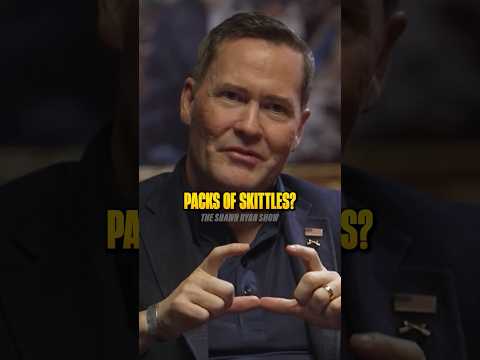
This entry details leadership lessons learned at Ranger School, focusing on the importance of prioritizing the team, as exemplified by Michael Waltz's experience with rationing Skittles and the 'officers always eat last' creed. It highlights how seemingly small actions, like sharing a snack, are scrutinized in high-stakes training environments and are crucial for developing effective leadership. The content is derived from the insights of a former US Army Ranger and author.
This video critiques the mental fortitude required for military training, highlighting the differences between enlisted and officer roles. It details the intense Navy Officer Candidate School (OCS) curriculum, including physical preparation, swim tests, academic phases, and damage control simulations. The content also touches on the use of Beretta 92 handguns and strategic 'War Games' simulations.
This video provides an overview of U.S. Army officer cadet training at Fort Knox, Kentucky, contrasting it with traditional infantry basic training. It covers physical challenges, weapons familiarization with various platforms like the M4 Carbine and M110 SASS, simulator training, CBRN defense, tactical drills, and culminates in a Field Training Exercise (FTX) before commissioning. The commentary offers a critical perspective on modern training standards.
This guide details critical incident response based on an analysis of a police shooting in St. Charles, Illinois. It covers officer response to an active threat involving a chainsaw, the challenges of Taser deployment and failure, and the transition to lethal force. The analysis, presented by John Correia and Mike Willever, emphasizes the importance of officer urgency, preparedness for less-lethal tool failure, and the legal justification for using lethal force to protect vulnerable residents.
This video analyzes a traffic stop incident where a concealed carrier was shot with his own firearm by a police officer. It highlights critical failures in law enforcement training regarding firearm handling during traffic stops and emphasizes the importance of proper holster retention and administrative firearm safety. The discussion underscores that negligent discharges often occur during administrative handling, not under extreme stress.
This guide outlines critical firearm handling procedures for law enforcement during traffic stops, emphasizing de-escalation and safety. It details best practices for disarming compliant citizens, focusing on minimizing negligent discharge risks by securing the entire holster. The analysis highlights the importance of trigger discipline and immediate medical response in critical incidents, drawing from expert commentary by seasoned law enforcement professionals.
This video discusses the critical interaction between a civilian carrying a firearm and law enforcement during a traffic stop, highlighting a specific incident where an officer accidentally shot a civilian while attempting to disarm them. It emphasizes compliance with lawful orders but also questions standard procedures in constitutional carry states, suggesting that removing a legally carried firearm might not always be necessary and can create dangerous situations due to potential officer mishandling.
Instructor Mike critically analyzes the line-of-duty death of Oak Park Police Detective Allen Reading, highlighting perceived deficiencies in police training and preparedness for active shooter scenarios. He emphasizes the importance of consistent, realistic training, physical fitness, and maintaining tactical awareness, suggesting departments often fail to adequately prepare officers for high-stress situations. The discussion also touches on the psychological impact of the job and the need for officers to prioritize their own readiness.
This video features Nikko Ortiz, a commentator with high authority in military culture, reacting to a speaker in a military auditorium who humorously redefines the acronym SWO (Surface Warfare Officer) as 'Superior Warfighting Officers.' Ortiz uses satire to comment on the optics of such a statement, scanning the crowd for diversity. The content is primarily commentary and humor, not a technical firearms guide.
This video analyzes the 'Acorn Cop' incident, highlighting critical lessons for law enforcement and firearm owners. It emphasizes the dangers of poor situational awareness, the impact of adrenaline on decision-making, and the risks of sympathetic fire. The instructor stresses the importance of continuous, challenging training to improve information processing under pressure.
Gun Laws by State
Read firearms regulations for all 50 states + D.C.
Find Gun Dealers
Search licensed FFL dealers near you.