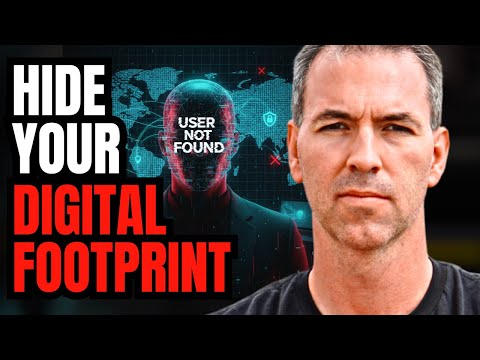
This guide, presented by former CIA Officer Jason Hanson, outlines five essential strategies for enhancing online privacy and security. It emphasizes the use of VPNs, privacy-focused browsers, virtual payment cards, encrypted messaging, and credit freezes to protect personal information from tracking and identity theft.
This guide, presented by former CIA officer Jason Hanson, outlines critical steps for disappearing and evading detection within 24 hours. It emphasizes the importance of a pre-packed 'go bag,' avoiding common escape routes, utilizing cash for all transactions, and securing digital privacy through services like DeleteMe. Hanson's expertise as a security consultant for high-risk situations lends high authority to these instructional techniques.
This video provides actionable advice for individuals concerned about stalkers finding their new address. It emphasizes using legal structures like LLCs for property ownership, utilizing PO Boxes or UPS Store boxes for mail, and employing online privacy services to remove personal information from public records. The instructor, a former law enforcement officer and CIA operative, also details how to conduct surveillance detection routes to ensure one is not being followed.
This video focuses on methods to conceal or obscure one's home address, likely for privacy and security reasons. While the title doesn't directly mention firearms, the context of privacy and security can sometimes overlap with self-defense and personal safety discussions relevant to firearm owners. The content aims to provide actionable steps for individuals seeking to protect their personal information from being easily discovered online or through public records.
This video focuses on protecting personal data in the digital age. It likely covers strategies and methods for enhancing online security, safeguarding sensitive information from unauthorized access, and maintaining privacy. Topics may include strong passwords, two-factor authentication, understanding privacy settings on various platforms, and recognizing online threats. The content is aimed at a general audience seeking to improve their digital footprint security.
This video discusses the Supreme Court's decision to hear the Vanderstock v. Garland case, which challenges the ATF's final rule on frames and receivers. The speaker, identified as experienced, highlights the potential impact on the ATF's rulemaking authority and the definition of a firearm. The video also features a sponsor segment for DeleteMe, a service focused on online privacy and data removal.
This video, likely presented by a former CIA officer, addresses the serious issue of blackmail and provides actionable steps for individuals to take. While the title and description do not directly mention firearms, the presenter's background in tactical defense, personal protection, and home defense, along with the promotion of tactical gear like a tomahawk and various knives, suggests a strong potential overlap with the firearms and self-defense community. The video also promotes services for online privacy, which is a crucial aspect of personal security in today's digital age.
This video by ex-CIA officer Jason Hanson provides actionable steps to significantly reduce your online presence. Key strategies include deleting social media, using LLCs to obscure ownership, employing data removal services like DeleteMe, creating dummy accounts with non-standard security answers, utilizing secure communication tools like ProtonMail and Signal, and masking your IP address with a VPN. The advice focuses on comprehensive digital anonymity and protection against social engineering.
This video discusses a significant data breach at Guns.com, where leaked consumer and administrative data, including physical addresses and hashed passwords, appeared on the dark web. The speaker emphasizes the severe risks of reusing passwords and highlights the importance of robust cybersecurity practices for gun owners. Recommendations include changing email and bank passwords, using password managers like LastPass, enabling multi-factor authentication, and considering VPN usage for enhanced online privacy.
This video, "Into the Fray Episode 269," discusses whether police can use social media as evidence in a legal case, particularly after a shooting incident. It emphasizes how online statements can portray a gun owner as either responsible and trained or angry and looking for trouble. The USCCA promotes responsible gun ownership, situational awareness, and conflict avoidance, warning that nothing online is truly private and advising caution with posts, even in private groups. The video encourages viewers to join the USCCA for legal protection and to support their mission of educating gun owners and saving lives.
This episode of The Legal Brief discusses New York Senate Bill S9191. Host Adam Kraut explains the implications of the bill, which could potentially grant authorities access to individuals' search histories. He advises viewers to utilize private browsing modes to protect their online activity from government scrutiny. The video also includes links to external resources for further information on the bill and related legal matters, as well as promotions for The Gun Collective's merchandise and Patreon.
This video features John Lovell of Warrior Poet Society interviewing Troy, a professional ethical hacker with 17 years of experience. They delve into the critical realities of cybersecurity and online privacy, drawing parallels between digital threats and physical combat. Troy, presented as an elite subject matter expert, explains the vulnerabilities of IoT devices, critical infrastructure like SCADA systems, and the high value of medical data on the black market. The discussion emphasizes that true online privacy is largely a myth and provides practical advice on digital situational awareness to avoid becoming an easy target.
You've reached the end! 12 videos loaded.
Gun Laws by State
Read firearms regulations for all 50 states + D.C.
Find Gun Dealers
Search licensed FFL dealers near you.