This guide details the process of zeroing a handgun optic, emphasizing the reduction of shooter error by using a stable rest. It covers firing initial groups, calculating adjustments based on optic specifications, and making incremental changes to achieve a precise point of impact at a recommended 25-yard distance, while acknowledging the impact of environmental factors like wind.
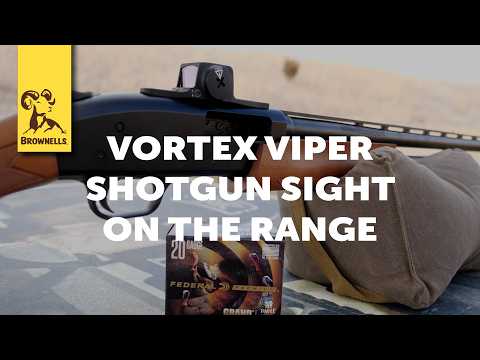
This video demonstrates the process of sighting in a Vortex Viper shotgun red dot sight on a Mossberg 500 20 gauge shotgun. The instructor, Caleb from Brownells, uses Federal Grand Slam turkey loads at approximately 25 yards, emphasizing the importance of a stable rest and using a target with a shoot-n-see overlay. He details how to measure shot patterns, calculate optic adjustments using the manual's chart, and make incremental changes to achieve a precise zero. The process highlights the tactile nature of the optic's adjustments and provides practical advice for shotgun hunters and shooters.
This video provides a comprehensive guide to zeroing firearms and confirming zero, emphasizing methodical steps for accuracy. It details techniques for establishing a natural point of aim, performing MOA calculations, and making precise adjustments to optics. The instruction highlights the importance of consistent practice and understanding weapon mechanics for reliable performance in various scenarios.
This guide covers the installation and initial zeroing of the Nutrek Zeca Plus 3 MOA Red Dot Optic, based on a review by Ghost Firearms Training LLC. It emphasizes using a Torx bit for adjustments and performing live-fire testing for proper zeroing. The instructor, demonstrating experienced authority, highlights the optic's clear glass, beefy construction, and 11 brightness settings with 2 night vision modes.
This guide details a practical zeroing and grouping session for an H&K MP5 build, as demonstrated by an experienced shooter from Trench Grenade. It covers firing initial groups, making precise optic adjustments using a 9mm bullet tip for elevation and windage, and confirming zero with rapid fire. The session emphasizes achieving consistent accuracy on a steel target.
This guide details the handling of the VSS Vintorez rifle, focusing on the manipulation of its key components. It covers charging handle and trigger actuation, magazine removal and reinsertion, suppressor detachment and reattachment, stock folding and unfolding, and optic adjustments. The video emphasizes sensory feedback through ASMR-style sounds of the rifle's operation, demonstrating fluid and precise handling by an experienced individual.
This guide details the initial handling and operation of the Heckler & Koch MR556 A1 rifle, including unboxing, safety checks, loading procedures, and adjustment of the Monstrum Terminator LPVO. It emphasizes safe firearm handling protocols during preparation and live fire at an outdoor range. The content is presented by a firearms enthusiast demonstrating familiarity with HK platforms and safe practices.
This guide details how a novice shooter, Vendetta, was introduced to the Outlier Backdraft AR9 under the patient instruction of Matthew, an industry professional. It covers essential firearm safety, control familiarization, proper stance and grip, optic adjustment, and live-fire execution, highlighting the importance of clear instruction for new shooters.
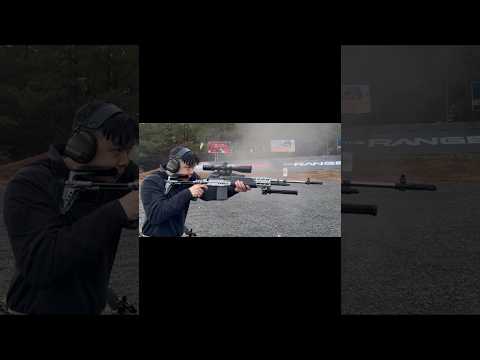
This guide details setting up and operating the M1A EBR for precision shooting, as demonstrated by an experienced shooter. It covers chassis installation, bipod deployment, scope adjustment with Zeiss optics, and techniques for accurate engagement at distance, including prone positioning and rapid-fire management. The instruction emphasizes proficient weapon manipulation and recoil control.
This guide details the process of zeroing a Trijicon RMR optic, emphasizing the importance of audible clicks for adjustment and proper torque specifications for mounting. It highlights that the RMR is versatile, suitable for various firearms beyond pistols, and offers tips for battery maintenance and ensuring zero retention. The instruction comes from an experienced firearm user who has relied on the RMR for years.
This guide demonstrates how to bore sight a pistol optic at home using a laser bore sighter, a cost-effective method to achieve a preliminary zero. The process involves ensuring firearm safety, selecting the correct adapter, inserting the bore sighter, and aligning the optic's reticle with the projected laser dot by adjusting windage and elevation. This technique saves ammunition and range time, getting you closer to a perfect zero.
This guide details the process of zeroing a red dot optic on a rifle. It emphasizes the importance of a stable shooting platform, proper optic brightness, and methodical adjustment based on shot group analysis. The instructor, Mike from 6our Academy, walks through shooting groups, calculating adjustments using MOA values, and confirming zero with subsequent shots.
Gun Laws by State
Read firearms regulations for all 50 states + D.C.
Find Gun Dealers
Search licensed FFL dealers near you.