This video emphasizes a training philosophy centered on deliberately operating within an 'uncomfortable band' to build consistent, on-demand firearms performance. Instructor from Achilles Heel Tactical highlights the importance of achieving a specific metric reliably (e.g., 8/10) before increasing difficulty, and then consciously linking successful execution cues to subconscious recall for mastery.
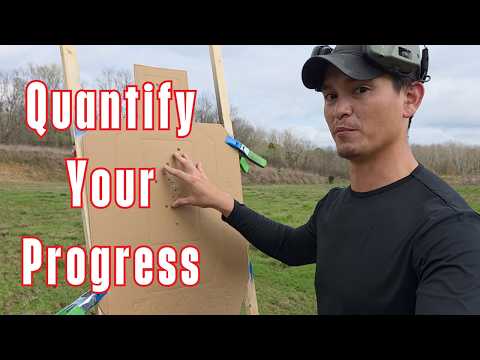
This guide from Regular Guy Training LLC emphasizes the importance of quantifying shooting progress through data-driven methods. It outlines how to use specific drills and track metrics like time, accuracy, and consistency to identify strengths and weaknesses. The video suggests tools for data collection and analysis, stressing that consistent effort and patience are key to improvement. Instruction is provided by an experienced professional, offering structured advice on training methodology.
This video showcases the performance of the Kimber 2K11 Comp, a 9mm double-stack 1911 pistol. The host, a high-authority firearms content creator, demonstrates rapid-fire strings using a shot timer to highlight the firearm's speed and flat-shooting capabilities. The Kimber 2K11 Comp features a compensated barrel, optics-ready slide, and a flared magwell, suggesting it's designed for competitive shooting or high-performance applications.
Lucas Botkin demonstrates the El Prez drill, a dynamic shooting exercise incorporating a reload, while testing new magazine carriers from T.REX Arms. He reviews his performance, noting a 4.62-second time and areas for improvement like 'trigger freeze,' highlighting the drill's utility for practicing high-speed weapon manipulation and reload efficiency. The video showcases practical application of gear in a performance-oriented context.
Joel Park, a seasoned competitive shooter, advises on the optimal balance between match participation and practice for shooters experiencing performance plateaus. He emphasizes that matches test current skills, while dry fire and focused live fire practice are crucial for technical improvement. Park suggests a ratio of one match per month to three weekends of dedicated practice to foster continuous skill growth.
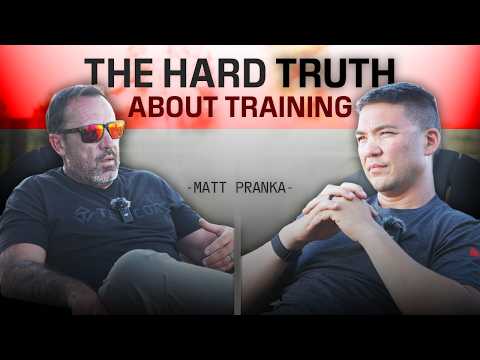
This video features Matt Pranka discussing the importance of focusing on fundamental shooting skills over gear and ego. He emphasizes that true skill development comes from consistent practice and self-assessment, often best achieved through competitive shooting, rather than chasing the latest equipment. Pranka also highlights the critical distinction between hard skills and tactics, advocating for a strong foundation in marksmanship before delving into complex tactical scenarios.
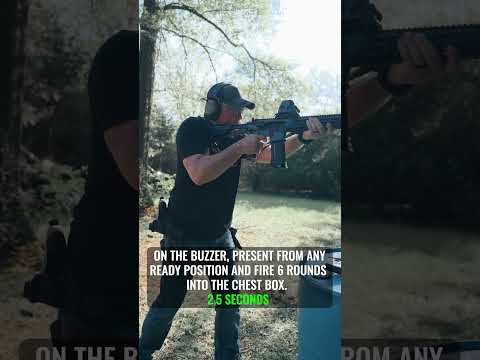
This guide details the Achilles Heel Tactical Man Card Drill, a rigorous evaluation tool designed for high-pressure scenarios. The drill emphasizes speed and accuracy with strict par times for pistol and rifle engagements, including draw strokes, reloads, and transitions. Instruction is provided by an expert with a high level of practical proficiency.
This guide, presented by a professional firearms instructor from Regular Guy Training LLC, details how to effectively track progress in firearms training. It emphasizes the critical role of a shot timer in quantifying performance, moving beyond subjective feelings to objective data. By combining a shot timer with a solid set of drills, shooters can establish baselines, monitor improvements over time, and ensure meaningful skill development.
This training drill, demonstrated by Administrative Results, focuses on executing rapid "pocket reloads" with the SIG MCX Regulator and comparing its performance to the SIG MCX Rattler/LT. The drill emphasizes proficient weapon manipulation, utilizing a shot timer to measure split times and total elapsed time for reloads, highlighting the ergonomic advantages of modern platforms for speed. The expert's high authority level is evident in their practical, performance-oriented approach to firearm training.
The video attempts the GBRS Group basic shooting standards, with the speaker finding the standards to be on the lower end and not particularly challenging. The speaker emphasizes performing the standards at a normal, comfortable speed without excessive pressure, noting they passed all stages with ease. They suggest that while these standards are achievable, more rigorous drills exist to truly push shooters beyond their comfort zones.
This video, presented by Chris Sajnog, a Navy SEAL Master Training Specialist, emphasizes tracking 'lead measures' rather than 'lag measures' for effective training improvement. Lead measures are proactive actions taken before the outcome, such as the amount of time spent training or the number of perfect repetitions in dry fire drills. Lag measures, like bullet holes on a target or a golf score, are reactive and cannot be changed once they occur. By focusing on controllable lead measures, individuals can more reliably improve their skills in firearms, sports, and other disciplines.
This video segment showcases operator readiness training, focusing on timed shooting drills. Participants are evaluated on their accuracy and speed, with specific times recorded and discussed. The emphasis is on achieving consistent performance under pressure, highlighting the importance of precision and efficiency in tactical scenarios.
Gun Laws by State
Read firearms regulations for all 50 states + D.C.
Find Gun Dealers
Search licensed FFL dealers near you.