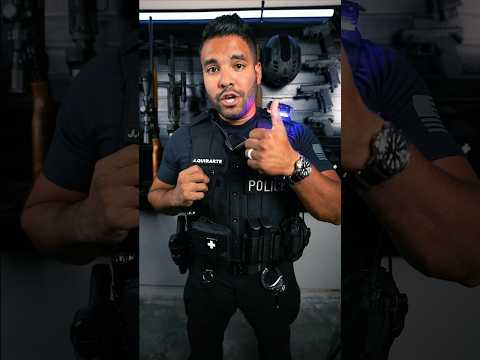
This video is aimed at aspiring police officers, providing guidance and insights into what it takes to join law enforcement. While no specific firearms are mentioned, the context of police work implies a focus on duty firearms, marksmanship, and potentially the use of force. The content likely covers the recruitment process, necessary qualifications, and the realities of the job, with an underlying assumption of proficiency with standard issue firearms and equipment.
This video discusses a significant theft of 160,000 rounds of 5.56 NATO ammunition intended for the Columbus, Ohio Police Department. The speaker, exhibiting high authority and expertise in ammunition logistics, speculates on the nature of the theft, suggesting it may have been an inside job or a highly coordinated operation due to the scale and specific knowledge required. The ammunition was reportedly stolen on five pallets during the shipping process, and authorities believe it is being sold on the streets.
A college degree is not a mandatory requirement to become a police officer; a high school diploma suffices for entry into the police academy. While a marketing degree was held by the speaker, this is not a universal prerequisite. The video clarifies common misconceptions about the educational path into law enforcement.
This video focuses on the work schedule of a police officer, offering a glimpse into their daily routine and professional life. While not directly showcasing firearms, the context of law enforcement implies the potential presence and use of duty weapons as part of their job. The content is geared towards individuals interested in the life of a police officer, their operational demands, and what a typical day might entail.
This video features Captain J. Mucci of the Manchester Police Department discussing leadership values, particularly emphasizing the importance of leaders being willing to perform the tasks they ask of their subordinates. The content is presented in honor of Police Week and Peace Officers Memorial Day, as part of the "Inside the Blue Line" series, a collaboration between SIG SAUER, 5.11, and Ironclad. The series aims to provide an intimate look into the lives of law enforcement officers.
Wayne Black of Wayne Black and Associates joins Tom Gresham on Gun Talk Radio to discuss the significant exodus of police officers from law enforcement departments. The conversation delves into the reasons behind early retirements and officers leaving in record numbers. Additionally, the duo shares valuable life lessons and insights gained over the years to help viewers navigate through their daily lives safely.
This video reports on an alarming situation in Georgia where police officers are allegedly walking off the job and not responding to calls. The description highlights that backup is reportedly refusing to come to Atlanta's aid, suggesting a widespread issue within law enforcement in the area. This situation raises concerns about public safety and the operational capacity of the police department.
This video features Chief Dennis Murphy of the Gahanna, Ohio Police Department discussing his support for National Reciprocity for concealed carry permits. He argues that current laws are a "waste of time and resources to punish law-abiding citizens" and that law enforcement should focus on apprehending criminals rather than penalizing responsible gun owners. The Chief's perspective highlights the law enforcement viewpoint on Second Amendment rights and permitless carry.
This YouTube video features an interview with Chief Mike McDonald of the Opp Police Department discussing their successful program offering free shooting classes to women in the community. The interview, part of NRATV Live, highlights the positive public reception of the initiative. The segment aired on December 15, 2016.
This episode of NRA Women's "Tips & Tactics" features Dianna Liedorff, a seasoned Tulsa Police Department veteran and accomplished 3-gun competitor. Presented by Smith & Wesson and sponsored by Cabela’s Outdoor Fund, the video focuses on "Mentally Prepared." Liedorff, also a member of the FNH USA shooting team, shares insights relevant to firearms training and competitive shooting.
This episode of "Tips & Tactics" features Dianna Liedorff, a 20-year veteran of the Tulsa Police Department and a notable 3-gun competitor and FNH USA shooting team member. The video, presented by NRA Women and sponsored by Cabela's Outdoor Fund, focuses on the theme of responsibility. While specific firearms or calibers are not detailed in the description, the context suggests a focus on firearm safety, training, and potentially competitive shooting.
This episode of NRA Women's Tips & Tactics, presented by Smith & Wesson and sponsored by Cabela's Outdoor Fund, features Dianna Liedorff, a veteran police officer and 3-gun competitor. Liedorff shares essential advice on creating a firearm logbook. This practice is crucial for responsible firearm ownership, helping to track maintenance, usage, and ownership details. The video aims to educate viewers on best practices for firearm management and record-keeping.
Gun Laws by State
Read firearms regulations for all 50 states + D.C.
Find Gun Dealers
Search licensed FFL dealers near you.