Reno May, a high-authority Guntuber and legal commentator with 10 years of gun retail experience, reflects on the Alex Preti incident and police use of force. He discusses his content strategy, shifting away from high-frequency news to focus on unique, insightful analysis of gun reviews, law, and lawsuits, while avoiding 'doom and gloom' content. May also clarifies his long-standing criticisms of Donald Trump's record on gun rights.
The Supreme Court's ruling in Egbert v. United States significantly alters how police can be held liable for excessive force. Officers can now be sued personally for excessive force even if the law wasn't 'clearly established' in the exact same manner, increasing accountability and potentially offering more legal recourse for citizens alleging police brutality. This decision emphasizes that officers are expected to understand and adhere to constitutional limits on force.
This entry analyzes a police bodycam incident, highlighting the tactical implications of a suspect reaching for their waistband. Nikko Ortiz, a high-influence military/tactical commentator, assesses the situation, emphasizing that such actions can justify a lethal force response based on established police use-of-force protocols. The analysis focuses on threat identification and the critical decision-making process during high-stress encounters.
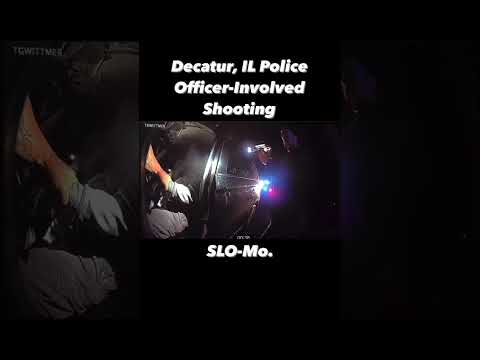
This video, analyzed by Instructor Mike, demonstrates a rapid, close-quarters lethal force encounter involving a Decatur, IL Police Officer. The footage highlights the speed at which such incidents can unfold, emphasizing the importance of rapid threat assessment and decisive action. The analysis focuses on the officer's use of a tactical flashlight and semi-automatic handgun during the confrontation.
This video explores the perceived irony between how law enforcement and civilians use force, particularly in the context of firearms. While the description lacks specific details about the video's content, it heavily promotes various products and services related to firearms, including books, concealed carry insurance (CCW Safe), gun safes, and training classes from "Instructor Mike." It also encourages engagement on social media platforms and offers support links. The video touches on the theme of preparedness with a quote about training for potential future events.
This analysis from Active Self Protection breaks down a critical incident in White Oak, Maryland, where an officer responded to a man armed with a knife. The video features John Correia, an established subject matter expert, providing an objective review of the bodycam footage. It highlights the importance of clear communication, rapid threat assessment, and fundamental marksmanship under extreme duress, emphasizing the officer's justified actions in neutralizing a deadly threat.
Colion Noir, an established firearm rights commentator, critically analyzes California Police Chief Ken James' assertion that guns are not defensive weapons. Noir highlights a perceived double standard in law enforcement's use of firearms for intimidation versus the dismissal of the Second Amendment's purpose to protect against tyranny. He questions the logic of 'reasonable regulations' and argues that government underestimates citizen intelligence in self-defense scenarios.
You've reached the end! 7 videos loaded.
Gun Laws by State
Read firearms regulations for all 50 states + D.C.
Find Gun Dealers
Search licensed FFL dealers near you.