This video provides a dramatic comparison between the smallest and largest common firearm calibers. The .22 Super Colibri, while quiet, shows minimal impact on a ballistic skull. In stark contrast, the .50 BMG round from a Big Kahuna Raptor 50 completely obliterates the same target, demonstrating extreme destructive power.
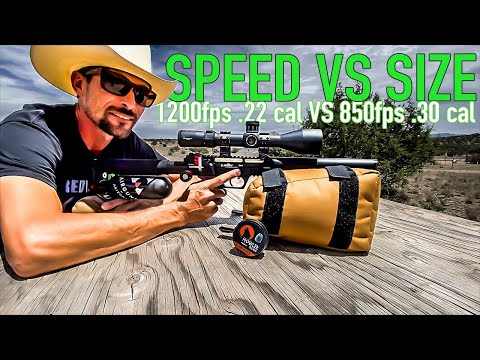
This video compares the terminal ballistics of a high-velocity .22 caliber slug versus a larger, slower .30 caliber slug using a block of clay as a medium. The .22 caliber slug achieved significantly higher velocities (around 1200 fps) with a 21-grain H&N slug, causing fragmentation. The .30 caliber slug, fired at approximately 846 fps with a 49.5-grain projectile, exhibited significant mushrooming and less fragmentation, resulting in a wider but shallower wound channel. While the clay test results were comparable, the instructor suggests the higher velocity of the .22 caliber may induce more shock, while the larger .30 caliber projectile creates a larger wound. The video highlights the trade-offs between speed and projectile mass in terminal ballistics.
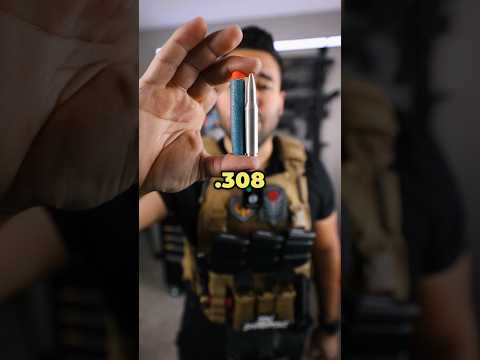
This video compares the physical size of a Nerf dart to a .308 Winchester cartridge. The presenter visually demonstrates that the two projectiles are surprisingly similar in diameter and overall size, suggesting a potential equivalence in certain dimensions.
This video compares the perceived danger of an AR-15 against a 12-gauge shotgun through a series of tests. It debunks the notion that AR-15s are inherently more dangerous by demonstrating the significant power and effectiveness of common shotgun ammunition, particularly buckshot and slugs. The tests include recoil comparison, projectile size analysis, penetration tests on soda cans and pineapples, and a ballistic gel liver test, concluding that both platforms are highly lethal and effective self-defense tools.
This YouTube Short showcases a Maxim 50 caliber muzzleloader equipped with a built-in suppressor. The video highlights the impressive size of the projectile and its surprisingly quiet performance. It's described as a fun and visually striking firearm to experience firsthand.
This video analyzes Eugene's sabotage plan in the Walking Dead finale, where he caused enemy firearms to explode. The instructor, with over 10 years of reloading experience, explains that the most plausible method was using the wrong powder burn rate. By filling rifle cartridges with fast-burning pistol powder like Red Dot, the pressure would build too rapidly within the shorter barrel, causing catastrophic failure at the chamber, consistent with the visual evidence.
You've reached the end! 6 videos loaded.
Gun Laws by State
Read firearms regulations for all 50 states + D.C.
Find Gun Dealers
Search licensed FFL dealers near you.