Instructor Mike emphasizes the critical importance of speed and direct execution during reloading drills, particularly for the Taurus TX22 Competition. He stresses eliminating extraneous thought and movement, focusing solely on the physical act of inserting the magazine. This drill, repeated consistently, aims to build muscle memory and improve efficiency under pressure, with the instructor highlighting that 'Your life matters.'
Joel Park, with extensive experience training law enforcement agencies, critically analyzes common inefficiencies in departmental firearms training. He highlights how short sessions, poor range pacing, and the stigma of mistakes hinder genuine skill development, often reducing training to administrative checks rather than performance enhancement. Park suggests that true skill building often necessitates individual practice beyond institutional constraints.
This video explores the concept of "flow state" in high-pressure situations, particularly as it relates to mastering violent or chaotic environments. It emphasizes that this state of clarity and control is not accidental but built through preparation, repetition, and trust in one's training. The description highlights how finding this flow allows for precision, execution, and sustained forward momentum even when others freeze, ultimately leading to lethality and sharpness.
This video emphasizes the critical importance of building a solid foundation in firearm handling and proficiency. It argues that speed, flashy techniques, and high-end gear are secondary to mastering fundamental skills like grip, stance, and sight picture. The core message is that true mastery comes from consistent, disciplined practice of the basics, even when unobserved, to ensure lasting competence rather than relying on superficial trends. The video encourages viewers to prioritize building a strong, enduring base of skills.
This video emphasizes the critical importance of dry fire practice for developing fundamental shooting skills. Instructor Colet highlights that consistent repetition, even for a few minutes, builds hundreds of trigger presses to refine grip and master trigger control. The core message is that holding the gun steady and not disturbing the sights during the trigger pull is the most basic yet essential skill for any shooter.
This video emphasizes that learning to shoot, like any sport, requires consistent practice and time, not just a short weekend course. The speaker, Chris Sajnog, highlights that a one or two-day class is insufficient for developing expertise, whether for self-defense, competition, or professional use. He stresses that spaced repetition over time is crucial for skill retention and proficiency, drawing parallels to learning Jiu-Jitsu or golf.
This video emphasizes the critical role of muscle memory in firearms proficiency, explaining how repetitive, perfect practice ingrains skills into the subconscious for faster, more efficient reactions in high-stress situations. It highlights the importance of dry-fire drills for consistent repetition and warns against developing bad habits due to the extensive effort required to correct them. Continuous practice is stressed to prevent skill degradation.
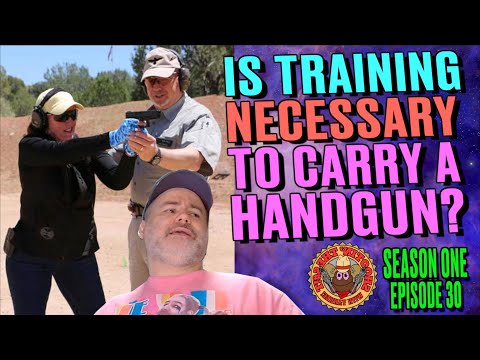
This video argues that while firearm safety courses are important, formal training is often overemphasized. The speaker contends that consistent practice and hands-on experience are more crucial for developing proficiency than attending expensive training courses. They highlight that many individuals, particularly those from backgrounds where practical shooting was essential for survival, possess superior skills without formal certification, emphasizing that results and accuracy matter more than adherence to specific training methodologies.
Chris Sajnog emphasizes that firearms proficiency, like any sport, requires consistent, spaced repetition over time, not just short weekend courses. He contrasts this with the common misconception that a one or two-day class makes one an expert, highlighting that true mastery demands ongoing practice and learning.
This content, presented by an expert instructor, details the significant learning curve associated with extreme long-range (ELR) shooting, specifically targeting one mile (1760 yards). It highlights that achieving proficiency, particularly after being inspired by media like 'American Sniper,' requires a substantial investment in time, practice, and overcoming numerous challenges, broken down into progressive learning milestones.
This YouTube video, titled 'Go train.' and featuring the user @grimcmv, focuses on the act of training and getting "reps in." While the title and description are very brief and lack specific details about the type of training or equipment involved, the mention of "reps in" and the username's context (often associated with firearms content) suggests a likely emphasis on firearms-related training or practice. Without further information, it's difficult to pinpoint specific firearm models, calibers, or manufacturers, but the general theme points towards a training or practice session.
This video emphasizes the critical importance of mastering fundamental shooting skills through consistent repetition. Expert instruction from GBRS Group highlights a progressive training methodology, starting at close distances (3 yards) and gradually increasing to 25 yards to identify performance degradation. The focus is on building muscle memory and proficiency, particularly within the crucial 21-foot engagement range.
Gun Laws by State
Read firearms regulations for all 50 states + D.C.
Find Gun Dealers
Search licensed FFL dealers near you.