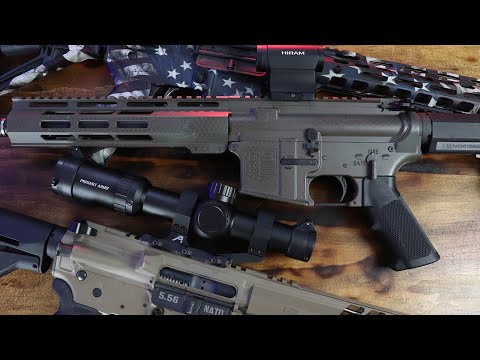
This guide details essential pre-training gear preparation, drawing from Lucas Botkin's methodical approach. It covers rifle camouflage techniques, magazine identification methods, efficient battery organization, weapon accessory checks, tactical helmet configuration, and plate carrier assembly. Botkin, a recognized industry leader, demonstrates efficient gear organization using high-end professional tactical equipment, crucial for effective field use and training sessions.
This guide details how to effectively camouflage a rifle using spray paint. It emphasizes proper taping of sensitive components, applying a base coat suitable for the environment, and creating a naturalistic pattern with stripes that mimic foliage. The instructor highlights how natural wear and tear will further enhance the camouflage over time, making the rifle blend better with its surroundings.
This guide details how to effectively conceal a rifle and tripod using natural vegetation, emphasizing that simple painting is insufficient. It outlines a method using rubber bands to attach foliage, breaking up the firearm's silhouette and blending it with the environment. Key techniques include strategic placement of vegetation, avoiding muzzle obstruction, and leveraging natural cover and shadows for maximum concealment, particularly important for reconnaissance or tactical operations.
This guide details testing camouflage effectiveness in snowy environments, drawing on practical field experience. It covers evaluating various patterns, the challenges of black gear, effective rifle camouflage techniques, and the crucial balance between concealment and operational functionality. Instruction from a seasoned firearms instructor emphasizes practical application and gear accessibility.
This video addresses YouTube algorithm issues affecting subscriber notifications, urging viewers to enable 'all notifications' for Polenar Tactical. It showcases a ballistic visor tested against 9mm rounds and a custom-patterned rifle, highlighting the channel's use of high-end tactical equipment and expertise.
This guide details how to spray paint a rifle for effective camouflage, emphasizing proper preparation, layering of colors, and pattern creation techniques. The instructor, with apparent experience in firearm customization, demonstrates using common spray paints like Rust-Oleum to break up the rifle's profile for hunting and wilderness use. Key steps include thorough cleaning, masking, strategic color application, and using textured items to create realistic patterns, highlighting that spray painting offers adjustability unlike more permanent finishes like Cerakote.
This guide, presented by Navy SEAL Sniper Instructor 'Tosh', details essential techniques for camouflaging a rifle using natural vegetation. Key principles include breaking up the weapon's silhouette, subduing black components with earth tones, managing optic glare, and ensuring camouflage does not impede weapon function. The instruction emphasizes blending with the environment by applying vegetation in the direction of natural growth and continuously assessing concealment from an observer's perspective.
Elliott Delp outlines three primary methods for customizing rifle aesthetics: spray painting, vinyl wraps (gun skins), and Cerakote. Spray painting is the cheapest and easiest but least durable. Vinyl wraps offer defined patterns and durability at a moderate cost and effort. Cerakote provides the most professional and durable finish but is the most expensive. The best choice depends on budget, intended use, and desired outcome.
You've reached the end! 8 videos loaded.
Gun Laws by State
Read firearms regulations for all 50 states + D.C.
Find Gun Dealers
Search licensed FFL dealers near you.