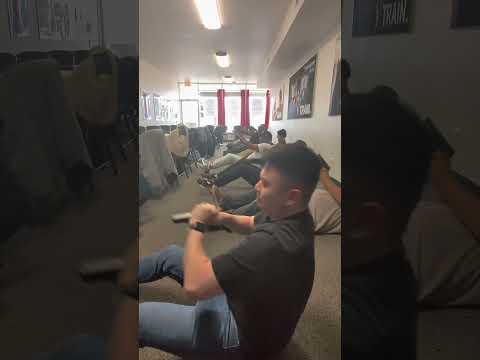
This YouTube video, titled "Just Malfunctions Clearance and Sit-Ups," focuses on practical firearm handling and potentially training exercises. The title suggests a demonstration of clearing firearm malfunctions, which are common issues encountered during shooting. The inclusion of "Sit-Ups" implies a physical component, possibly related to tactical training, conditioning for shooting, or a unique exercise incorporating firearm safety and operation. The content likely appeals to individuals interested in firearm maintenance, defensive shooting skills, and physical preparedness for shooting scenarios.
This video demonstrates essential firearm malfunction clearing drills, emphasizing the importance of muscle memory and tactile proficiency. A former Navy SEAL instructor highlights the difference between immediate fixes like 'Tap Rack Bang' for simple failures and remedial actions for more complex jams, such as double feeds. The training utilizes dummy rounds and spent brass to simulate various malfunctions, stressing practice in low-light conditions for real-world self-defense readiness.
This video from Line 45, hosted by Ted, details 10 firearms that have demonstrated significant reliability issues. The presenter discusses specific malfunctions like feed failures, extraction problems, and mechanical failures across various models, including the Remington R-51, Kimber Solo Carry, Taurus PT22, Armalite AR-180B, Colt All-American 2000, Walther CCP Gen 1, Century Arms C38, and Desert Eagle .50 AE. The focus is on how these design flaws and manufacturing shortcomings render the firearms untrustworthy for defensive or practical use.
This video showcases a firearms training drill focused on clearing malfunctions under stress, a technique practiced by the participants since 2018. The drill involves an external party inducing malfunctions, which the individuals must efficiently resolve while wearing full gear to simulate real-world scenarios. The content aims to inspire viewers to engage in practical, fight-oriented training and promotes the Instagram account @locsnload and their firearms training classes offered through wagundanation.net.
This video presents a top 10 list of firearms the host considers the worst he has ever owned, based on personal experience with reliability issues. The host emphasizes that his opinions are subjective and based on individual firearm performance, often citing failures to fire, misfeeds, and failures to eject as primary reasons for a gun making the list. He acknowledges that many of these firearms are popular and that others may have positive experiences.
This video critically analyzes five hunting rifles that are deemed poor value, ranging from budget options with reliability issues to high-end firearms that are impractical for field use. The instructor, drawing on field tests and user experiences, highlights specific shortcomings like rust, poor accuracy, and complex mechanisms that fail under hunting conditions. The advice emphasizes prioritizing reliability and functionality over price or prestige to avoid costly mistakes.
This video provides expert instruction on clearing rifle malfunctions using Immediate and Remedial Action techniques. It details the 'Tap, Rack, Bang' sequence for 'click, no bang' issues and outlines the steps for Remedial Action, including magazine stripping, visual inspection, and re-engagement, emphasizing safety protocols for stuck rounds in training.
This video discusses policy restrictions on armorer certifications, preventing civilians and non-LEO/military personnel from training on specific firearm brands like Smith & Wesson. The speaker highlights common feed stoppage issues with Smith & Wesson M&P15 rifles, including magazine catch placement, headspace, buffer springs, and feed ramp design. The core issue discussed is the inability of law enforcement agencies to get their rifles serviced by qualified individuals outside of manufacturer-specific certifications, leading to potential equipment downtime.
This video focuses on a critical aspect of firearm operation: clearing malfunctions. The title, "How Fast Can You Clear Malfunctions?", directly indicates the video's core theme of practical firearm handling under pressure. It's likely to demonstrate different types of malfunctions, such as failure to feed, failure to eject, and stovepipes, and showcase the correct techniques and speed at which a shooter can resolve them. This content is highly relevant for self-defense, tactical training, and general firearm proficiency.
This video demonstrates the critical 'Tap, Rack' malfunction clearing drill using blue inert training rounds, as explained by firearms influencer Johnny Q. The blue rounds are highlighted as a safe and effective tool for practicing failure-to-fire scenarios without using live ammunition, ensuring clear identification and preventing accidental chambering of dummy rounds. The guide emphasizes the importance of these drills for maintaining proficiency with firearms like the AR-15.
This video focuses on practicing malfunction clearing for firearms. It is designed to provide viewers with practical skills for handling common firearm stoppages, crucial for safe and effective operation in various scenarios. The content emphasizes hands-on practice and likely demonstrates techniques for resolving jams and other issues encountered during shooting.
This video provides a clear, two-step methodology for clearing rifle malfunctions under stress, presented by Neil from Geauga Firearms Academy. The primary distinction is whether the bolt is forward (requiring a tap-rack) or not forward (requiring a more involved clearing process). The instruction emphasizes practical application and the impact of stress on procedural execution, drawing from professional experience.
Gun Laws by State
Read firearms regulations for all 50 states + D.C.
Find Gun Dealers
Search licensed FFL dealers near you.