This review covers the Smith & Wesson Model 625-8 JM Pro, a 45 ACP revolver designed for moon clips but capable of running without them. The presenter highlights its suitability for shooters seeking a larger caliber with more affordable ammunition and a practical shooting experience, emphasizing the ease of reloading with moon clips. While acknowledging its strengths, the presenter suggests other revolvers might be preferred for general personal defense due to round count.
This video demonstrates the basic operation of an 1891 Mosin Nagant rifle, including loading, firing, and cycling the bolt. The demonstration highlights smooth manual loading of rimmed cartridges and proficient bolt manipulation by an experienced shooter. It serves as a practical, albeit brief, guide to engaging a target with this historical infantry rifle.
This video from InRange TV, supported by viewer contributions via Patreon, likely delves into the technical aspects of firearms, specifically focusing on the 'Rimmed Cartridge Length' and the concept of 'Bullet Jump'. Given the title, expect a detailed examination of how cartridge dimensions and the space between the cartridge and the rifling (bullet jump) influence firearm performance, accuracy, or function. The content is expected to be informative for firearm enthusiasts interested in the mechanics and ballistics of rimmed ammunition.
This guide, presented by CajunBoyJake, details the simple malfunction clearing technique for revolvers. Unlike semi-automatic pistols, revolvers often require only a second trigger pull to advance the cylinder and bypass a non-firing chamber. This simplicity is highlighted as a key advantage for self-defense firearms, especially for those with less frequent training.
The US Rifle Model 1917, originally the British Pattern 13 Enfield, offers a unique capacity advantage due to its design evolution. While stripper clips hold five rounds, the 1917's magazine, adapted from the P14 which used rimmed .303 British cartridges, can accommodate six rimless .30-06 Springfield cartridges. This increased capacity is an artifact of adapting the magazine dimensions from rimmed to rimless ammunition.
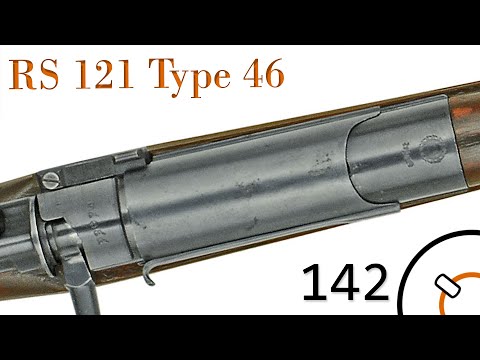
This video provides an in-depth review of the Siamese RS 121 Mauser, a unique rifle produced in Japan for Siam. It details the rifle's history, design features influenced by both Mauser and Japanese Arisaka rifles, and its distinctive 8x50mm rimmed cartridge. The presentation highlights the rifle's operational aspects, including its sliding dust cover and the challenges of its rimmed ammunition.
This video features Hickok45 taking his Lee Enfield No. 4 MK 1 rifle on a 'woods walk' to test its performance. He demonstrates its operation, including reloading, and discusses the historical significance of the rifle and its .303 British caliber. The session highlights the rifle's reliability and appeal to collectors and enthusiasts.
This video provides a foundational understanding of cartridge terminology, explaining key components like the projectile's boat tail, flat base, and ogive, and how to measure them for reloading consistency. It details the elements of a loaded cartridge (projectile, case, primer, powder) and differentiates between various case types including rimmed, non-rimmed, bottlenecked, rimless, recessed rim, and belted magnum cartridges, explaining their headspace mechanisms and design purposes. The instructor emphasizes the importance of understanding these terms for shooters and reloaders.
This video explains the critical concept of headspace in firearms, detailing how it's measured and why it's crucial for safety, especially with older firearms. It demonstrates the use of headspace gauges (go, no-go, and field) for various cartridge types and highlights the dangers of excessive headspace, including case head separation and potential firearm failure. The instructors emphasize that checking headspace is a vital safety measure for collectors and shooters of older firearms.
This review of the Coonan .357 Magnum 1911 by John Hickok highlights its unique engineering, adapting a rimmed cartridge to the classic 1911 platform. While praised for its potential as a collector's item or range toy, its heavier weight and significant recoil, even with a steel frame, make it less ideal for concealed carry. The review emphasizes the specialized nature of this firearm, noting its $1300 price point and the technical challenges overcome in its design.
This video entry from MidwayUSA's Cartridge Hall of Fame details the .45-70 Government cartridge. Larry Potterfield, Founder and CEO of MidwayUSA, provides an authoritative overview of its history, adoption by the US Army in 1873 for the Springfield Model 1873, and its naming convention based on caliber and powder charge. The entry highlights the cartridge's versatility across various firearm platforms and its continued relevance for hunting and shooting sports today.
You've reached the end! 11 videos loaded.
Gun Laws by State
Read firearms regulations for all 50 states + D.C.
Find Gun Dealers
Search licensed FFL dealers near you.