The Yankee Marshal, an experienced voice in firearms and liberty discussions, critiques law enforcement practices and emphasizes the critical importance of individual rights and self-defense. He advises listeners on navigating police encounters, stressing the need to know and assert constitutional rights, avoid unwarranted consent to searches, and the benefit of recording interactions. The podcast highlights the necessity of personal preparedness and gun ownership as a bulwark against potential government overreach and a fundamental aspect of self-reliance.
This video from Washington Gun Law TV, hosted by William Kirk, analyzes the Supreme Court case 'Case v. Montana,' focusing on its implications for Fourth Amendment rights against unlawful searches and seizures. The discussion highlights how a new 'reasonable exigency' standard, as applied by the Montana Supreme Court, could potentially erode privacy protections and impact Second Amendment rights by lowering the threshold for forcible entry into homes, even for firearm seizure.
This guide outlines the Triple Documentation Protocol for armed citizens interacting with law enforcement, emphasizing the importance of recording encounters, verbally timestamping them, and identifying witnesses. It provides actionable steps to protect constitutional rights and create a record, especially following recent Supreme Court rulings that have shifted the legal landscape for gun owners. The protocol aims to empower citizens by establishing their awareness and cooperation from the outset of any interaction.
This video, featuring insights from a retired officer and legal expert, advises individuals on how to legally defend themselves during encounters with law enforcement, particularly when mistakes are made by officers. It emphasizes cooperation as the fastest way to resolve potentially erroneous stops and highlights the importance of understanding and asserting constitutional rights, such as the right to silence and counsel, without resisting. The discussion also touches on the escalating nature of police force and the reasons behind it, urging citizens to avoid physical confrontation on the roadside.
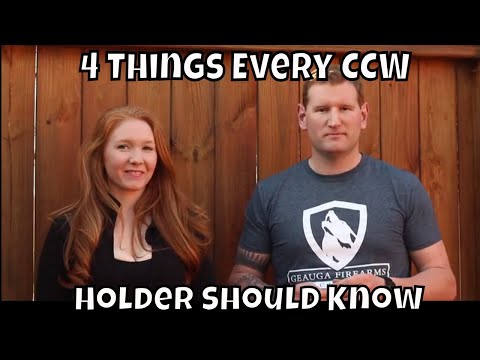
This video from Geauga Firearms Academy outlines four critical areas every Concealed Carry Weapon (CCW) holder should master: mindset, encompassing situational awareness and stress management; training and practice, emphasizing skill development with feedback; medical preparedness, including basic trauma care like tourniquets and wound packing; and legal knowledge, specifically understanding Fourth Amendment rights regarding search and seizure. The instructors stress that mindset is paramount for avoiding conflict, while medical skills are often more probable to be needed than firearm use in an emergency.
You've reached the end! 5 videos loaded.
Gun Laws by State
Read firearms regulations for all 50 states + D.C.
Find Gun Dealers
Search licensed FFL dealers near you.