This video from Active Self Protection, featuring John Correia, details a bodyguard's successful counter-ambush against armed robbers in Medellín, Colombia. It emphasizes critical self-defense principles including heightened situational awareness in transitional spaces, the strategic advantage of waiting for the right moment to act, and the mechanics of a 'visually quiet draw.' The analysis highlights the importance of practicing seated draws and maintaining precision under pressure, especially when bystanders are present.
This video focuses on the practical considerations of drawing a firearm while seated in a vehicle, a scenario often more complex than standing draws. The core message emphasizes simplicity in technique, advising against layering unnecessary tasks to maintain efficiency and effectiveness in a critical situation. The description highlights the importance of mindset, tactics, skill, and equipment in this specific application.
This video demonstrates how to perform a rapid pistol draw and fire sequence from a seated position, as explained by firearms instructor Johnny Q. It highlights the use of a PACT Club Timer III for measuring speed and emphasizes that drawing from a seated position is achievable with practice. The demonstration involves a customized Glock pistol with modern accessories and tactical gear.
Massad Ayoob, a highly authoritative figure in firearms instruction, details the critical importance of ankle holsters for backup guns, especially in confined spaces like a patrol car. He illustrates how a seated position can render standard duty holsters inaccessible, making an ankle-mounted backup firearm the only viable option for self-defense. The narrative highlights a real-world scenario where an officer successfully defended himself using an ankle-holstered Colt Agent .38 Special.
This video emphasizes the critical importance of practicing with your concealed handgun, particularly focusing on safe dry fire techniques and proper draw strokes. Instructor Jerry Miculek highlights trigger discipline as paramount, detailing how to maintain muzzle awareness and a safe finger position during re-holstering and drawing from various positions. The importance of repetitive practice to build smooth and consistent movements is stressed.
This guide details a critical self-defense technique for drawing a firearm from a seated position, as analyzed by John Correia of Active Self Protection. It emphasizes firearm retention, 'feigned compliance,' and the 'Boarding House Rules' for threat engagement. The instruction highlights the importance of maintaining control of the weapon in close quarters and transitioning to a two-handed grip as distance increases. This advanced technique is crucial for individuals seeking to enhance their personal security readiness.
This analysis breaks down a self-defense incident in Brazil where a father and son, both competition shooters, successfully defended their shop. Expert insights from John Correia of Active Self Protection highlight the importance of on-body carry, tactical draw techniques from various positions, and the critical failure points of inadequate holsters. The incident underscores the need for reliable equipment and constant situational awareness in defensive scenarios.
This video by Ernie Medina of TRB demonstrates how to effectively draw and shoot from a seated position, a critical skill for concealed carriers who may not always start an encounter facing their target. Key techniques include engaging core strength for stability and momentum, clearing garments, and adapting the draw stroke to various seated environments like vehicles or restaurants. The instruction emphasizes practicing these techniques to ensure quick and accurate deployment of a firearm from a compromised position.
This video features John Correia, an evidence-based defensive trainer from Active Self Protection, analyzing a self-defense incident involving an off-duty officer in Brazil. Correia provides a detailed tactical breakdown, critiquing the officer's seated draw technique, emphasizing marksmanship fundamentals like a two-handed grip and sight usage, and discussing post-incident protocols. The analysis highlights the importance of situational awareness and proper defensive tactics for off-duty personnel.
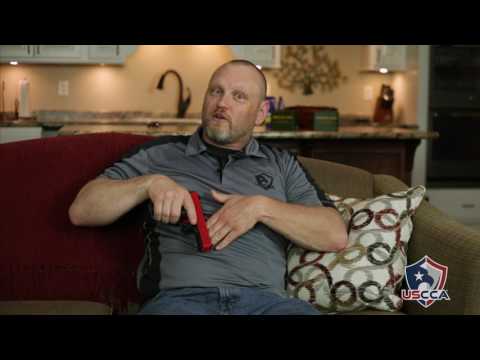
This drill focuses on effectively drawing a concealed firearm from a seated position, a common scenario for many individuals. Instructor Kevin Michalski emphasizes leaning forward and lifting the cover garment when drawing from a strong-side hip holster. For appendix carry, the technique involves moving the hips forward and chest back. The drill stresses the importance of clearing the cover garment and transitioning to your feet quickly after the draw.
This segment from GunVenture, featuring Wes Doss, focuses on critical situational awareness and tactical movement. It details how to time movements effectively when a threat is present, emphasizing that unexpected actions can draw attention. The instruction also covers drawing a firearm from a seated position, highlighting the importance of a secure holster and a strong shooting stance, even when compromised by furniture or vehicle interiors. The importance of assessing whether to engage or disengage is also stressed.
This video analyzes a self-defense incident where an armed individual successfully defended against armed robbers from a seated position. Key takeaways include the critical importance of practicing drawing from seated positions, maintaining situational awareness, and understanding shooting angles to protect bystanders. The analysis, presented by Evidence-Based Defensive Trainer John Correia, highlights effective defensive tactics and follow-up actions in a high-stress encounter.
Gun Laws by State
Read firearms regulations for all 50 states + D.C.
Find Gun Dealers
Search licensed FFL dealers near you.