This video explores the history and technical innovations of the Savage Arms Model 99 lever-action rifle. It highlights Arthur Savage's genius in design and business, focusing on the rifle's unique rotary top-loading magazine, which allowed for the safe use of spitzer bullets and versatility in rechambering. The discussion also covers its distinction as the first hammerless lever-action rifle and its initial chambering in .303 Savage.
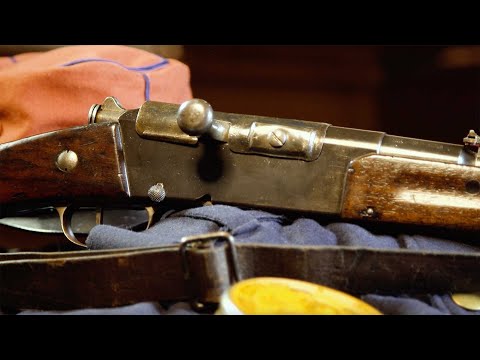
The Model 1886 Lebel rifle was a revolutionary firearm, being the first military arm to utilize smokeless powder. This innovation, developed by Paul Vieille, significantly increased projectile velocity and range compared to black powder. The rifle's design, though an amalgamation of existing concepts, was developed under intense pressure and fielded within a year, marking a pivotal moment in firearms technology.
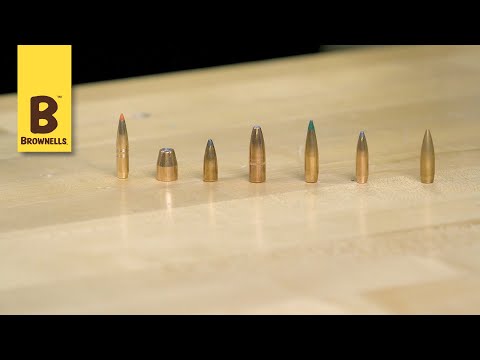
This video from Brownells Gun Techs explains the concept of Ballistic Coefficient (BC), a crucial factor in understanding bullet performance, especially for long-range shooting. Caleb and Steve detail what BC represents – a bullet's ability to overcome drag and wind resistance – and how it's typically expressed as a decimal less than one. They highlight that a higher BC number indicates a more efficient bullet that flies flatter and is less affected by external forces. The explanation includes practical examples, contrasting the BC of a long, narrow target bullet with a short, squat .45 ACP round. The video emphasizes BC's importance for distance shooting while noting it's less critical for close-range engagements, with Caleb offering insights into why a high BC bullet isn't always the optimal choice.
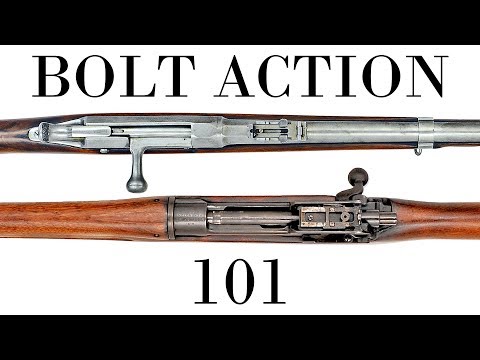
This video provides a foundational '101' understanding of bolt-action rifles by breaking down the critical components that influence their performance. It delves into the evolution and characteristics of ammunition, including powders, bullets, and casings, and explores the technical aspects of barrels, such as rifling and length. The discussion also covers the mechanics of bolt action mechanisms and their locking systems, highlighting the design choices that differentiate various models and impact overall functionality and reliability.
This review critiques lever-action rifles, highlighting their historical limitations compared to bolt-actions. Key issues include tubular magazine incompatibility with spitzer bullets, weaker rear-locking actions, inefficient loading, and ergonomic challenges in prone positions. The .30-30 Winchester cartridge is specifically criticized for its poor ballistic performance relative to its case size.
This YouTube video offers a direct comparison of bullet drop between two distinct ammunition types. The primary focus is to illustrate the trajectory differences when firing a 7mm Rem Mag cartridge versus a standard Spitzer bullet. This visual demonstration likely aims to educate viewers on ballistics and how different bullet designs and calibers affect their flight path over distance, a key consideration for long-range shooting and accuracy.
This video explains the critical role of terminal velocity in achieving maximum effective range for long-range shooting. It highlights that most bullets require at least 2,000 ft/s for proper expansion and wound cavity creation. The presenter uses a comparison between a Spitzer and a VLD bullet in 7mm to demonstrate how bullet shape significantly impacts downrange velocity and thus terminal performance at extended distances.
You've reached the end! 7 videos loaded.
Gun Laws by State
Read firearms regulations for all 50 states + D.C.
Find Gun Dealers
Search licensed FFL dealers near you.