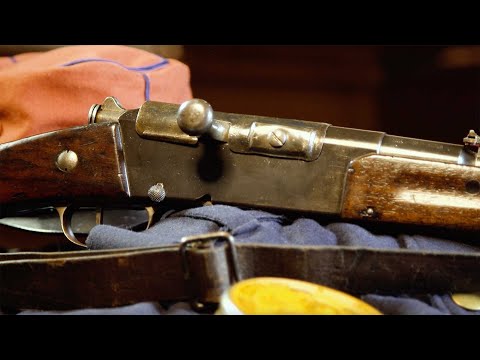
Bolt Actions: 101

Published on September 11, 2018
Duration: 159:26

This video provides a foundational '101' understanding of bolt-action rifles by breaking down the critical components that influence their performance. It delves into the evolution and characteristics of ammunition, including powders, bullets, and casings, and explores the technical aspects of barrels, such as rifling and length. The discussion also covers the mechanics of bolt action mechanisms and their locking systems, highlighting the design choices that differentiate various models and impact overall functionality and reliability.


Quick Summary

Bolt-action rifles rely on precise engineering of components like ammunition, barrels, and actions. Key elements include smokeless powder for cleaner firing, jacketed Spitzer bullets for aerodynamic stability, brass casings for obturation, and rifled barrels to stabilize projectiles. Understanding barrel harmonics and locking mechanisms is crucial for accuracy and safety.

Frequently Asked Questions

What are the key components of modern ammunition?

Modern ammunition typically comprises four essential parts: the powder (propellant), the casing (which holds the other components), the bullet (the projectile), and the primer (the ignition source that initiates the firing sequence).

What is the primary advantage of smokeless powder over black powder in firearms?

Smokeless powder burns much cleaner than black powder, leaving significantly less residue. This results in less fouling and corrosion within the firearm, and it also produces less smoke, improving visibility during shooting.

How does rifling affect a bullet's flight?

Rifling consists of helical grooves inside a barrel that impart a spin to the bullet as it travels. This spin creates gyroscopic stability, much like spinning a football, which helps the bullet maintain a straighter trajectory and improves accuracy.

Why are rimless cartridges generally preferred for modern magazine-fed rifles?

Rimless cartridges eliminate the protruding rim found on rimmed cartridges. This design reduces the likelihood of 'rim-lock,' where the rims of cartridges snag on each other within a magazine, preventing feeding malfunctions and ensuring smoother operation.

What is barrel harmonics and why is it important?

Barrel harmonics refers to the vibrational patterns a barrel experiences when fired. These vibrations can affect shot placement. Consistent harmonics, achieved through careful barrel design and support, are crucial for maintaining repeatable accuracy, especially when the firearm heats up.

More General Videos You Might Like

More from C&Rsenal

View all →