This video outlines eight essential items gun owners should stock up on before an ammunition shortage, beyond just ammunition itself. Key recommendations include proper bulk ammo storage solutions like ammo cans to protect against environmental damage, spare parts such as firing pins and springs, extra magazines (suggesting 10 per firearm), and reloading components like primers, powder, brass, and bullets. The presenter also emphasizes the importance of training ammunition, firearm accessories like red dots and flashlights, medical supplies including trauma kits and emergency medications, and essential cleaning supplies for firearm maintenance.
This video details the installation and tuning of DPM Systems recoil reduction assemblies, highlighting how they differ from traditional muzzle brakes and ported barrels. The instructor explains that the primary source of felt recoil is the slide bottoming out, and DPM systems mitigate this by using multiple springs and a controlled slide movement. The guide covers selecting springs and spacers for different firearms and ammunition, emphasizing the importance of tuning for optimal performance and reliability.
This guide, drawing from the expertise of the Dirty Civilian host, covers essential firearm maintenance and parts replacement for rifles and handguns. It emphasizes proactive replacement of wear items like springs and gas rings, the importance of proper tools like torque drivers, and preparedness for field repairs. The host's practical, survivalist-oriented approach highlights the value of owning critical spare parts to ensure firearm reliability in any situation.
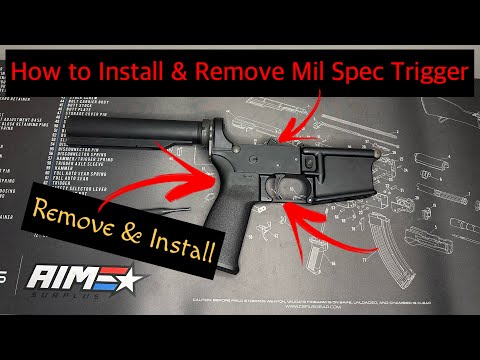
This comprehensive guide from 1st Shot Tactical details the step-by-step process for installing and removing standard Mil-spec triggers in an AR-15 lower receiver. Brian, demonstrating high authority and expertise, covers component assembly, pin insertion, and essential safety checks. The video is ideal for amateur gunsmiths looking to perform this common maintenance task themselves, emphasizing methodical execution and correct terminology.
This guide details the process of assessing and restoring a fire-damaged Palmetto State Armory PA-15 AR-15. It covers initial cleaning, inspection of critical components like the bolt carrier group and springs, replacement of damaged parts, and methods for addressing barrel corrosion using specialized tools and chemicals. The instruction emphasizes a methodical approach to salvaging the firearm, highlighting the importance of component integrity and proper material treatment.
This video discusses the importance of firearm parts availability and support, contrasting platforms like the AR-15 and Glock, which benefit from widespread parts interchangeability and affordability, with more specialized or complex designs like the FN SCAR, LMT piston guns, and certain shotguns that have expensive or hard-to-find parts. The hosts emphasize that while simple, reliable designs are easier to maintain, even robust firearms can benefit from having essential spare parts like springs, firing pins, and extractors on hand, especially for long-term reliability or in situations where professional gunsmithing is unavailable. They also touch on the challenges of part support for niche firearms and the complexities introduced by different manufacturers and generations within a single platform, like 9mm PCCs.
This YouTube video delves into the practice of lightening springs in revolvers, exploring whether it's possible and advisable. The content likely covers the technical aspects of revolver mechanics, potential benefits of reduced spring tension (such as trigger pull), and the risks involved, which could include ignition failures or compromised reliability. The title suggests a comprehensive discussion, possibly touching on different types of revolvers or specific spring applications within them. The mention of bloopers indicates a segment of lighthearted outtakes to follow the main educational content.
This guide, based on expert insights from Brownells and Sons of Liberty Gun Works, details the critical aspects of selecting and inspecting AR-15 lower parts kit components. It emphasizes that material quality, proper heat treatment, and precise manufacturing tolerances for parts like springs, detents, and fire control groups are crucial for rifle reliability and longevity. Proper inspection prevents common assembly issues and ensures optimal firearm function.
This guide details the expert gunsmithing process for repairing and modifying the Chauchat M1915, as demonstrated by Mark Novak. It covers identifying and manufacturing replacement parts like the assembly stud, addressing magazine feed lip damage, understanding the long-recoil system's mechanics and heat issues, and emphasizing critical safety considerations. The instruction highlights the need for precision machining and a deep understanding of historical firearm engineering challenges.
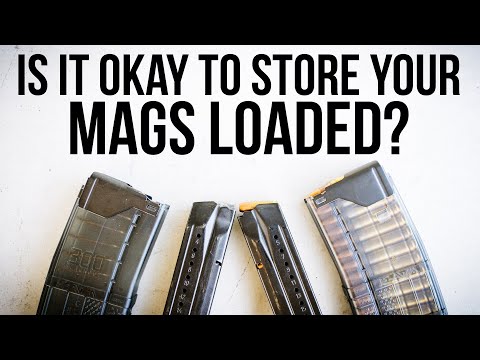
This video explores the practice of storing loaded firearm magazines. Wesley from Big Daddy Unlimited discusses the pros and cons, concluding that it "really depends on your situation" but emphasizing the importance of having loaded magazines ready for use. He also suggests that keeping magazines loaded can actually be beneficial for the springs compared to constant loading and unloading.
In this episode of The QA, Dave shares insights from a recreation location, highlighting the enjoyment of life by the lake with a summer beverage in a Lucky Shot glass. The discussion covers various firearm components and modifications, including barrels, springs, and sights. Specific mentions of CA (California) and the technique of gluing barrels suggest discussions around firearm regulations or specific custom work. The episode is supported by Lucky Shot USA, with a coupon code offered for savings. Viewers are also invited to TriggrCon and encouraged to submit questions via email. The description also includes links to Guns & Tactics website and social media platforms, along with disclaimers about views and affiliate links.
This guide, presented by the VSO Gun Channel host with high authority, details how to troubleshoot light primer strikes on AR-15 and AR-9 platforms. It emphasizes checking cleanliness, ammunition quality, and mechanical aspects like weak springs or the bolt being out of battery. Proper maintenance and understanding of the AR cycle of operations are key to resolving this common malfunction, especially in custom builds.
Gun Laws by State
Read firearms regulations for all 50 states + D.C.
Find Gun Dealers
Search licensed FFL dealers near you.