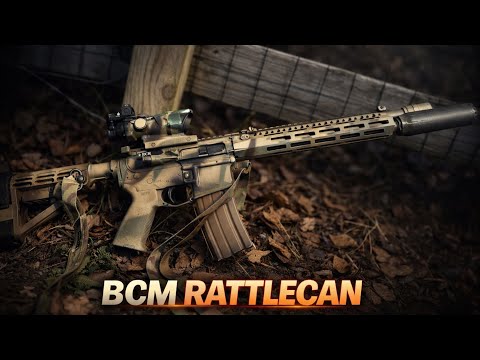
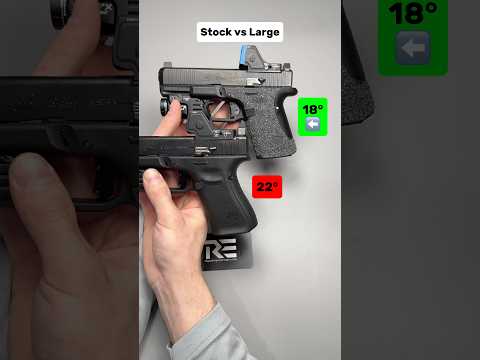
Replacement Parts Every Civilian Should Own | How to Maintain your Rifle & Handgun for Emergencies

Published on January 6, 2024
Duration: 13:53

This guide, drawing from the expertise of the Dirty Civilian host, covers essential firearm maintenance and parts replacement for rifles and handguns. It emphasizes proactive replacement of wear items like springs and gas rings, the importance of proper tools like torque drivers, and preparedness for field repairs. The host's practical, survivalist-oriented approach highlights the value of owning critical spare parts to ensure firearm reliability in any situation.

Quick Summary

Learn essential rifle and handgun maintenance from Dirty Civilian, focusing on critical replacement parts like springs and gas rings, proper tool usage, and field repair preparedness. The host's practical approach highlights the value of owning spare parts for firearm reliability.

Chapters

  1. 00:00Introduction and Context
  2. 02:22Rifle Maintenance: Springs
  3. 03:43Bolt Carrier Group Components
  4. 05:17Weapon Lights and Power
  5. 07:41Handgun Maintenance
  6. 09:11Tools and Torque
  7. 10:36Nylon Gear and Field Repairs

Frequently Asked Questions

What are the key rifle parts that civilians should consider owning for emergencies?

Civilians should consider owning critical rifle replacement parts such as action/recoil springs for the buffer tube, and bolt carrier group components like gas rings, extractors, and ejectors. High-quality springs like the Geissele Super 42 are recommended, and BCM offers useful rebuild kits.

How can I ensure my handgun remains reliable with essential spare parts?

For handguns, particularly Glocks, it's advisable to stockpile replacement parts like the recoil spring assembly, striker springs, and ejector components. This preventative maintenance is significantly more cost-effective than acquiring additional firearms.

What is the importance of using proper tools for firearm maintenance and accessory installation?

Using proper tools, such as a torque driver with Fix It Sticks, is crucial for accurately installing optics and accessories. Adhering to manufacturer torque specifications prevents over-tightening, a common failure point that can compromise firearm function and component integrity.

What should be included in a field repair kit for firearm accessories or gear?

A practical field repair kit should contain versatile items like zip ties, electrical tape, 550 cord, and duct tape. These materials can be used to manage broken hardware, repair torn straps, or address other unexpected issues that may arise during use.

Related News

All News →

More Gunsmithing & DIY Videos You Might Like

More from Dirty Civilian

View all →