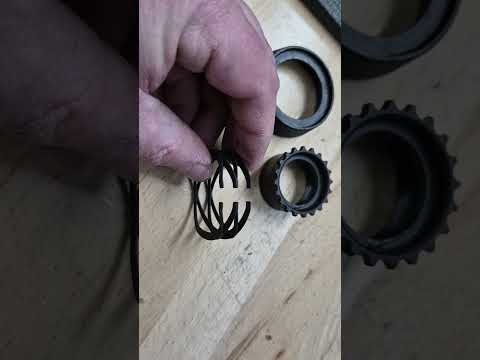
Has your charging handle ever broken like this?

Published on February 22, 2026
Duration: 0:42

This guide addresses a common failure point for AR-15 charging handles, where the component can shear off at the gas key interface. The video highlights a user's experience of a charging handle breaking on its first day at the range, suggesting either a defective part or an issue with an older firearm. The expert emphasizes that a broken charging handle requires immediate replacement.

Quick Summary

AR-15 charging handles commonly break by shearing off at the intersection point with the gas key and gas tube. If a charging handle breaks, especially on a new firearm, it indicates a defective part or a worn-out gun and requires immediate replacement.

Chapters

  1. 00:00User Comment: Broken Charging Handle
  2. 00:08Common Failure Point Explained
  3. 00:23Diagnosing First-Day Breakage
  4. 00:37Replacement Necessity

Frequently Asked Questions

Why do AR-15 charging handles break?

AR-15 charging handles commonly break by shearing off at the intersection point with the gas key and gas tube. This area experiences significant stress during operation, leading to potential failure, especially if the component is defective or the firearm is old and worn.

What should I do if my AR-15 charging handle breaks?

If your AR-15 charging handle breaks, you must replace it immediately. Continuing to use a broken charging handle can lead to further damage or malfunctions. Inspect the firearm to ensure no other components are compromised.

Is it normal for a new AR-15 charging handle to break?

No, it is highly uncommon for a new AR-15 charging handle to break on its first day at the range. Such an event typically indicates a defective charging handle or an issue with an older, worn-out firearm that requires further inspection.

Where is the most common place for an AR-15 charging handle to break?

The most common failure point for an AR-15 charging handle is where it interfaces with the gas key and gas tube. This specific area is prone to shearing due to the operational stresses involved in cycling the firearm.

Related News

All News →

More Gunsmithing & DIY Videos You Might Like

More from AT3 Tactical

View all →