This video demonstrates a dynamic movement drill for competitive handgun shooting, specifically USPSA. The shooter, identified as Mojo, utilizes a CZ Shadow 2 pistol equipped with a Holosun 509T red dot sight. The drill emphasizes rapid engagement of both cardboard and steel targets, followed by calculating the Hit Factor using a mobile app. Instruction from a professional/competitive shooter highlights efficient movement and target transitions.
This video demonstrates a rapid-fire drill executed by a Regular Guy Training LLC instructor on an outdoor range. The drill involves engaging multiple silhouette and steel targets, followed by a performance review including time recording and hit analysis. The instructor exhibits high authority with proficient recoil management and rapid target transitions.
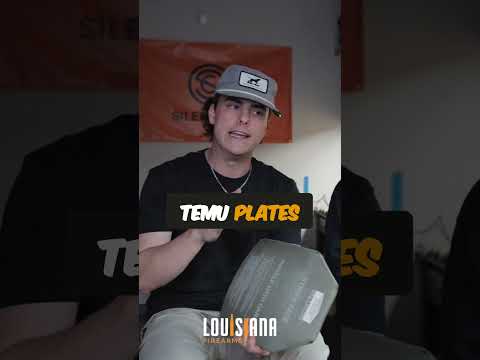
This video from Louisiana Firearms provides a strong cautionary review of budget body armor plates, specifically those sourced from Temu. The host emphasizes the critical unreliability and life-threatening risks associated with using such gear, advising viewers to avoid these products for any serious protective application. The content highlights the severe dangers of relying on substandard equipment for personal safety.
This video reviews the Silent Valor cargo backpack, highlighting its ballistic protection capabilities against handguns up to .44 Magnum and rifles. The bag features an aramid insert (similar to Kevlar) and optional steel plates, along with heavy-duty, waterproof construction, RFID-blocking compartments, and MOLLE webbing. It is presented as a potentially life-saving piece of gear for uncertain times.
This video emphasizes the critical importance of spall liners in body armor, particularly when using steel plates. Clint Morgan explains that while steel plates don't have a shelf life, they can create dangerous fragmentation upon impact. A spall liner is essential for catching these metal fragments, preventing severe injuries like bleeding in the neck and groin.
This video provides a beginner's guide to selecting body armor plates, breaking down the core considerations of cost, weight, and protection. It details different plate materials (steel, ceramic, polymer) and NIJ protection levels (III, IV, III+, Special Threat), explaining their respective strengths and weaknesses. The instructor demonstrates live-fire testing of Level III polymer plates against various calibers, highlighting the importance of backface deformation and the limitations against specific ammunition types like M855 green tips.
This video clarifies California's body armor laws, particularly in light of AB92. It explains that while a complete ban was averted, convicted violent felons face felony charges for possessing body armor, and prohibited persons face misdemeanor charges. The video also provides guidance on purchasing body armor, emphasizing NIJ certification, recommending ceramic over steel plates, and discussing threat levels and weight considerations.
This video provides a practical, albeit unconventional, ballistic comparison between the 7mm Rem Mag, 300 Win Mag, and 338 Win Mag. The host, demonstrating high expertise through transparent testing, evaluates penetration through various materials like wood, steel, sand, and concrete, using Barnes TTSX bullets. The 300 Win Mag ultimately shows superior performance in the final steel plate test, making it the focus for deeper penetration scenarios.
This expert-level analysis from GUNBROS details the critical difference between steel and ceramic body armor concerning spalling. Steel plates, while durable, can fragment upon impact, posing a secondary threat. Ceramic plates mitigate spalling effectively due to their material composition and outer fabric, but have a limited lifespan and impact tolerance. The video provides essential insights for selecting appropriate ballistic protection based on threat assessment and longevity requirements.
This YouTube video focuses on the setup of steel plates for shooting practice. While the specific firearms or calibers used are not detailed in the provided information, the topic suggests practical application for marksmanship training and range activities. The content is likely instructional, guiding viewers through the process of configuring steel targets for optimal use during shooting sessions.
This video demonstrates the inadequacy of captured Russian body armor, which consists only of steel plates, when tested against common firearms. Ukrainian soldiers are shown shooting the armor with a pistol and an AK74 chambered in 5.45x39mm. The steel plates cracked under pistol fire and were penetrated by the AK74. The video highlights the importance of quality ceramic plates for effective protection.
This video compares ceramic and steel body armor plates, highlighting their key differences. Ceramic plates are lighter (around 5 lbs for 10x12) and offer better protection with less spalling, but are more expensive. Steel plates are heavier (around 9 lbs for 10x12) and prone to spalling, but are significantly more affordable. The choice depends on budget and priority for weight versus spalling mitigation.
Gun Laws by State
Read firearms regulations for all 50 states + D.C.
Find Gun Dealers
Search licensed FFL dealers near you.