This video discusses the advantages of thermal imaging over traditional night vision (NVG) in low-light tactical scenarios. The speaker highlights how thermal optics detect heat signatures, allowing for the identification of hidden threats that NVGs might miss. The discussion emphasizes the significant tactical edge thermal capabilities provide to small units, enabling earlier detection and more effective engagement.
This video from FalconClaw explores the practicalities of using Night Vision Goggles (NVG) and Thermal Monoculars simultaneously. The instructor, demonstrating high authority, explains the challenges of 'split vision' where the brain struggles to fuse disparate images, requiring conscious mental switching between eyes for navigation (NVG) and threat detection (Thermal). While difficult initially, this dual-system approach offers significant advantages for outdoor operations, though clip-on thermals are preferred for CQB.
This video from Active Self Protection, featuring John Correia and Neil Weidner, analyzes a tragic gas station incident in Nashville, TN. It emphasizes the critical importance of situational awareness and avoiding high-risk scenarios, particularly in 'transitional spaces' like gas stations late at night. The hosts break down how seemingly compliant actions can be misinterpreted as threats, leading to deadly consequences, and stress the need for clear communication during any interaction.
This video details a method for analyzing visual evidence, specifically potential muzzle flashes, by meticulously examining video footage frame by frame and correlating it with audio timelines. The instructor emphasizes distinguishing genuine muzzle flashes from phenomena like sunlight glints and rolling shutter effects, highlighting the importance of critical analysis in determining the validity of evidence in tactical situations.
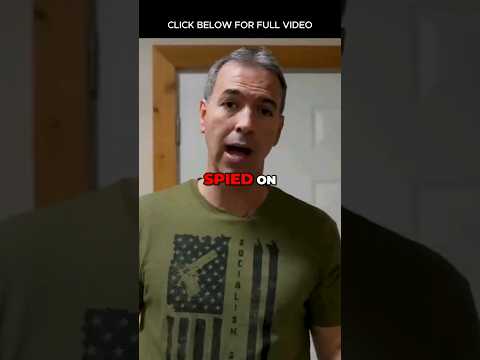
This video, titled 'How to Spot if You're Being Spied On,' focuses on surveillance awareness and countermeasures. While the title does not directly mention firearms, the topic of being spied on can often involve self-defense considerations or the use of technology that is sometimes associated with the firearms community, such as tactical gear or defensive strategies. Without a transcript or further description, it's impossible to confirm any direct firearm-related content.
Massad Ayoob, an expert in firearms training and self-defense, details a proactive approach to personal safety while at a gas station. He emphasizes maintaining a defensive posture, constant scanning, and early threat detection to prevent escalation. This technique focuses on preserving life and safety by remaining aware and prepared without appearing aggressive.
This analysis breaks down a real-world defensive shooting incident in Puerto Rico, offering tactical insights from John Correia of Active Self Protection. It covers crucial defensive concepts such as maintaining situational awareness, effective use of cover, proper weapon handling, and the critical distinction between aimed and emotional firing. The video also highlights the importance of avoiding the pursuit of fleeing suspects and promotes the Mantis Laser Academy for essential dry-fire training.
This video from Active Self Protection, featuring John Correia, emphasizes the life-saving importance of situational awareness and proactive defensive measures. It analyzes real-world incidents from the Philippines and Brazil, illustrating how paying attention and moving effectively can provide crucial time and options when facing threats. The content highlights Farnam's Law and the principle that movement makes one a harder target.
This video from Active Self Protection, featuring John Correia, emphasizes crucial lessons for preventing child abduction. It highlights the importance of constant supervision, maintaining situational awareness, and the readiness to intervene swiftly when a child is at risk. The analysis of a real-world incident underscores how quickly threats can materialize and the effectiveness of proactive parental engagement.
This entry synthesizes expert analysis from John Correia of Active Self Protection on how to respond to random knife attacks. It emphasizes the critical importance of situational awareness, recognizing attacker indicators, and creating distance. The guide also highlights the necessity of immediate medical preparedness for severe injuries.
This video features Michael Martin and Tim Schmidt discussing Jeff Cooper's four color codes of awareness. They explain the importance of heightened awareness, particularly living in Condition Yellow, to proactively detect and avoid potential threats before they can engage, thus preventing confrontations. The content emphasizes mindset as the primary survival tool in lethal encounters. The video also highlights resources for concealed carry information from USCCA.
You've reached the end! 11 videos loaded.
Gun Laws by State
Read firearms regulations for all 50 states + D.C.
Find Gun Dealers
Search licensed FFL dealers near you.