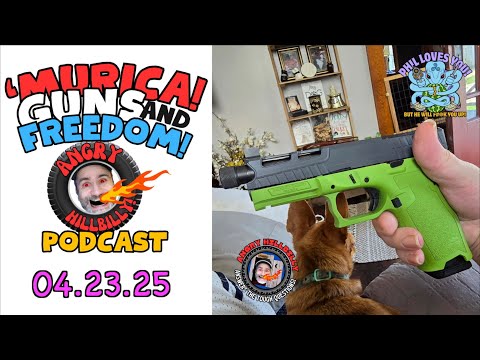
This video debunks five dangerous firearm myths prevalent in social media and general discourse. It explains why warning shots and shooting to wound are ineffective and potentially lethal mistakes. The instructor also clarifies that caliber size isn't always paramount, people don't always drop when shot, and one should train to perform at their worst under stress.
This video analyzes real-world handgun use in bear defense incidents, drawing lessons from the Amoland database. Key takeaways include the importance of firearm accessibility, the effectiveness of warning shots against bears, the potential need for spare ammunition, and the higher threat posed by brown bears. It also discusses the performance of calibers like .44 Magnum and 10mm Auto, emphasizing that hitting the target is paramount.
This video debunks common, detrimental firearm advice, emphasizing that simply shooting more does not guarantee improvement without proper instruction. It highlights the dangers of 'shoot to wound' and 'warning shots,' stressing that effective self-defense requires neutralizing threats. The importance of concealed carry insurance and maintaining situational awareness is underscored, alongside practical advice on firearm selection and preparedness beyond just the weapon itself.
This entry analyzes the DHS Use of Force Policy (044-05) in the context of a Minneapolis incident involving ICE/DHS agents and a suspect. The speaker, demonstrating high authority and expertise, critically examines law enforcement inaction and media narratives, referencing key legal standards like 'objective reasonableness' and specific policy prohibitions.
This video features an authoritative instructor, Shortshot Tony, debunking the concept of warning shots in self-defense scenarios. He emphasizes that discharging a firearm should only occur when facing an imminent threat requiring lethal force. Firing a warning shot can negate the immediacy of the threat, potentially making the shooter the legal aggressor and leading to severe legal consequences. The video also briefly showcases a Glock-style handgun with a Holosun sight and a weapon-mounted light, alongside the Mossberg 940 Pro shotgun.
This video from Colion Noir analyzes a self-defense incident where an armed woman fatally shot an assailant in a Compton beauty store. It covers the incident details, the legal implications of warning shots, the suspect's criminal history, and the importance of legal protection for gun owners, highlighting the role of organizations like USCCA. The analysis emphasizes the critical seconds civilians have to act in life-threatening situations.
This video, featuring Colion Noir, discusses a critical incident where a convenience store employee successfully intervened against an armed assailant. The employee's decisive action, including drawing her firearm and firing warning shots, prevented potential harm to others. The narrative highlights the 'act or freeze' psychological response in high-stress situations and supports the role of trained individuals in defensive scenarios.
This video analyzes a self-defense incident where a store employee confronted an armed assailant. It highlights the legal complexities of warning shots, particularly in Florida, and emphasizes the importance of understanding self-defense laws. The narrative underscores the courage of the employee and the potential legal protections available through organizations like USCCA.
This video argues strongly against the use of warning shots in self-defense scenarios. It highlights a real-world incident where a man was arrested and charged with assault in the first degree after firing a warning shot at a DoorDash driver seeking directions. The incident, which occurred in Chester, NY, resulted in the driver being shot in the back but is fortunately recovering. The core message is that warning shots are a bad idea and can lead to severe legal consequences.
This video argues that warning shots, while often discouraged and legally risky, can be a life-saving tool in specific self-defense scenarios. The speaker, identified as 'Yankee', shares personal experiences and a news anecdote where a warning shot successfully deterred a threat without resulting in lethal force. He emphasizes that the taboo against warning shots stems from a rigid "macho tactard" mentality and that a properly executed warning shot, aimed safely into the ground or a non-populated area, can prevent unnecessary deaths and legal burdens.
The Yankee Marshal hosts a Q&A session covering various firearms topics. He advises against selling revolvers for semi-automatics, particularly a Kimber K6S, and discusses the merits of different lever-action rifles like Henry and Chiappa. The discussion also touches on firearm reliability, self-defense laws regarding warning shots, and personal preferences for holster materials.
This video, presented by military veteran Nikko Ortiz, emphasizes personal responsibility and readiness for self-defense. It critiques common mistakes like firing warning shots and highlights the importance of understanding one's right to defend against physical altercations. The content also touches on interactions with law enforcement and the proper use of defensive tools.
Gun Laws by State
Read firearms regulations for all 50 states + D.C.
Find Gun Dealers
Search licensed FFL dealers near you.


![Handguns for Bear Defense: Lessons from Real-World Attacks [2026 Update]](https://i.ytimg.com/vi/7uUvSB2MHFw/hqdefault.jpg)