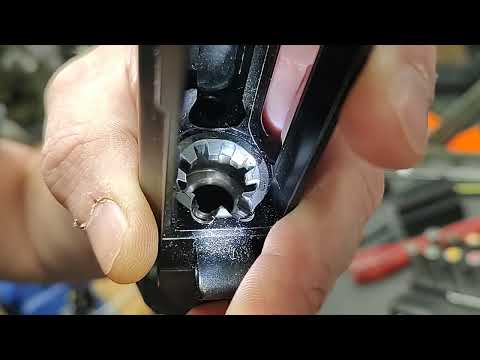
This expert guide from the School of the American Rifle details how to identify and address rough carrier key bores in AR-15 bolt carrier groups. The instructor, demonstrating expert knowledge, explains how these manufacturing defects, particularly on Colt components, can lead to premature wear on the gas tube and reduced reliability. Solutions involve replacing the defective carrier key to ensure smooth operation and longevity of the firearm.
This guide, based on expert instruction from School of the American Rifle, details the critical importance of proper feed ramp blending on AR-15 upper receivers. It highlights the severe consequences of improperly grinding aluminum feed ramps, such as removing protective anodizing and leading to premature wear and failure. The guide emphasizes careful diagnosis and vetting of gunsmiths to prevent costly damage to expensive components.
This video debunks the myth that firearms cannot be over-cleaned, focusing on the wear and tear associated with frequent full disassembly. It highlights that repeatedly driving pins or removing parts can damage friction-fit surfaces, especially in polymer frames. The presenters recommend annual full disassembly at most, unless the firearm has been submerged or heavily fouled, and suggest alternative cleaning methods for polymer guns to minimize wear.
This guide details the essential lubrication steps for an SKS rifle following disassembly and cleaning, as demonstrated by Brownells, Inc. Proper lubrication is crucial for preventing malfunctions and excessive wear. The process involves carefully oiling the firing pin, bolt, bolt carrier, receiver interior, and trigger group, emphasizing a thin, protective coat and wiping away excess oil.
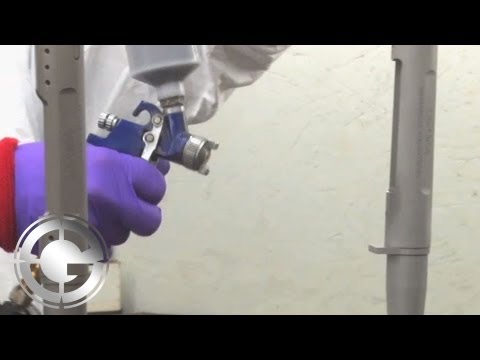
This video details the professional application of Cerakote H series ceramic coating to firearm components, including barrels, actions, and bottom metal. It emphasizes critical steps like surface preparation, blasting with aluminum oxide, degreasing with acetone, and proper application techniques using HVLP equipment. The process concludes with a thermal cure at 250°F for two hours, aiming to enhance corrosion resistance, reduce reflectivity, improve lubricity, and prevent wear.
You've reached the end! 5 videos loaded.
Gun Laws by State
Read firearms regulations for all 50 states + D.C.
Find Gun Dealers
Search licensed FFL dealers near you.