This expert guide from the School of the American Rifle details how to identify and address rough carrier key bores in AR-15 bolt carrier groups. The instructor, demonstrating expert knowledge, explains how these manufacturing defects, particularly on Colt components, can lead to premature wear on the gas tube and reduced reliability. Solutions involve replacing the defective carrier key to ensure smooth operation and longevity of the firearm.
This video provides an abbreviated autopsy of a KAK K-Spec bolt carrier group, identifying significant gassing issues. The inspection reveals leaks at the carrier key and bolt tail, an oversized bolt tail opening in the carrier, and an improperly machined internal transition that can damage gas rings. The dual ejectors and weak extractor spring are also noted as potential contributing factors to poor performance.
This video provides a physical inspection of an IWI Zion-15 AR-15 rifle donated for the School of the American Rifle's 10-year anniversary. The inspection revealed the rifle is well-gassed for commercial and NATO ammunition, with a mid-length system and a 0.078-inch gas port. Minor modifications were made, including replacing the extractor spring with a Sprinco 4-coil and adding Rocksett thread locker to the barrel nut screws, which were torqued but lacked initial thread locker.
This video provides a detailed physical inspection and testing procedure for Sons of Liberty Gunworks bolt carrier groups. The instructor demonstrates how to check for proper fit, dimensions, and potential defects using various gauges and visual inspections. Key tests include gas ring functionality, bolt tail and face fit, carrier length, cam pin fit, firing pin protrusion, and extractor clearance, offering insights into ensuring bolt carrier group reliability and performance.
This video provides an in-depth look at common wear points on a Rock River Arms Bolt Carrier Group (BCG). It highlights issues with gas rings, specifically a wide gap indicating potential failure, and a damaged cam pin due to excessive friction. The instructor recommends replacing these parts to ensure continued serviceability of the BCG.
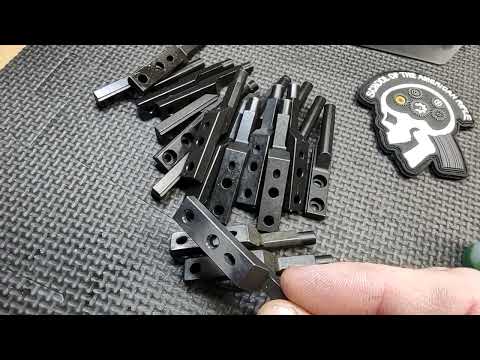
This guide details the inspection and preparation of AR-15 carrier keys, emphasizing critical dimensions, surface trueness, and internal finish. Proper gauging, stoning the bottom for a flat seal, and polishing the funnel improve gas system efficiency and longevity. The instructor highlights the importance of a good seal to prevent gas blow-by and wear on the gas tube.
This video provides an in-depth inspection of a Centurion Arms Sand Cutter V2 bolt carrier group. It details the process of identifying and replacing a firing pin due to excessive protrusion and a carrier key with an oversized bore. The instructor emphasizes the importance of proper dimensions for gas system efficiency and reliable firearm function, even noting that the staking on the original carrier key was exceptionally robust.
This video demonstrates a common issue with LMT Enhanced Carriers where the carrier key can become loose. The instructor highlights the importance of inspecting the carrier key's tightness, especially after potential impacts or improper installation. He explains that a loose carrier key can lead to malfunctions and recommends a breakaway test using a torque wrench in reverse to identify this problem.
This video details a gunsmithing repair on a Rock River Arms bolt carrier group where the carrier key channel was milled too narrow. The instructor demonstrates how to use a milling machine to correct the channel's dimensions, ensuring proper alignment of the carrier key. The repair involves opening the channel, addressing minor damage, and sealing the new key with Loctite 620 for a functional bolt carrier.
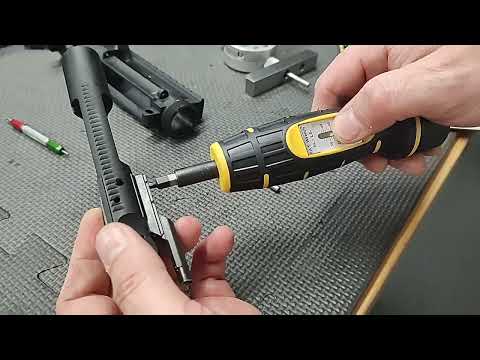
This video demonstrates a critical inspection for LMT bolt carrier groups, specifically checking the torque on the carrier key screws. Using a Wheeler FAT Wrench, the instructor performs a breakaway test at 20 and 30 inch-pounds to identify broken or under-torqued screws. The video highlights the importance of this check to prevent potential failures and outlines options for resolution, including contacting the manufacturer or performing a replacement and proper staking.
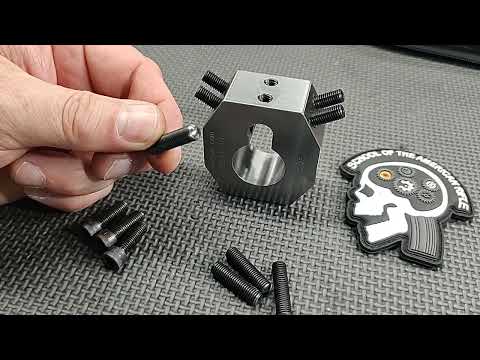
This guide details the installation of SOTAR/MOACKS AR carrier key screws, an aftermarket upgrade for the MOACKS staking tool. The video demonstrates how these screws, designed for 'golf ball staking,' move more material for better retention compared to standard screws. It emphasizes greasing the tips and torquing to 50 inch-pounds for optimal results.
This video from School of the American Rifle demonstrates a practical DIY method for checking AR-15 gas tubes for internal obstructions. Using readily available 0.080-inch diameter weed whacker line, the instructor shows how to insert it into the gas tube to act as an internal gauge. This technique helps identify potential blockages from manufacturing debris, carbon buildup, or residue from certain ammunition types, ensuring proper gas system function.
Gun Laws by State
Read firearms regulations for all 50 states + D.C.
Find Gun Dealers
Search licensed FFL dealers near you.