KAK K-Spec Abbreviated Autopsy

Published on July 29, 2025
Duration: 6:55

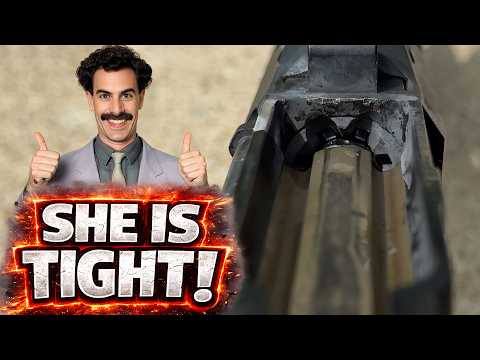
This video provides an abbreviated autopsy of a KAK K-Spec bolt carrier group, identifying significant gassing issues. The inspection reveals leaks at the carrier key and bolt tail, an oversized bolt tail opening in the carrier, and an improperly machined internal transition that can damage gas rings. The dual ejectors and weak extractor spring are also noted as potential contributing factors to poor performance.

Quick Summary

The KAK K-Spec bolt carrier group suffers from critical gassing issues, including leaks at the carrier key and an oversized bolt tail opening. A significant machining flaw features a sharp 90-degree shelf at the gas ring transition, which can damage gas rings, unlike the beveled transition found in milspec carriers.

Frequently Asked Questions

What are the main problems found with the KAK K-Spec bolt carrier group?

The KAK K-Spec BCG exhibits significant gassing issues, including leaks at the carrier key and an oversized bolt tail opening in the carrier. It also has a critical machining flaw with a sharp 90-degree shelf at the gas ring transition, which can damage gas rings.

How does the internal machining of the KAK K-Spec bolt carrier differ from a standard milspec carrier?

Unlike a standard milspec carrier which has a beveled transition to guide gas rings smoothly, the KAK K-Spec carrier has a sharp 90-degree shelf. This sharp edge can cause gas rings to roll over or be damaged during bolt insertion.

Why are dual ejector bolts potentially more problematic for cycling?

Dual ejector bolts require more energy to rotate out of battery because they exert more force against the cartridge. This increased resistance means the firearm may need more gas to reliably cycle compared to a bolt with a single ejector.

What are the implications of leaks at the carrier key and bolt tail on a bolt carrier group?

Leaks at the carrier key and bolt tail mean that less gas is directed to operate the bolt carrier group. This loss of gas pressure can prevent the firearm from cycling properly, leading to malfunctions like short-stroking.

Related News

All News →

More Gunsmithing & DIY Videos You Might Like

More from School of the American Rifle

View all →