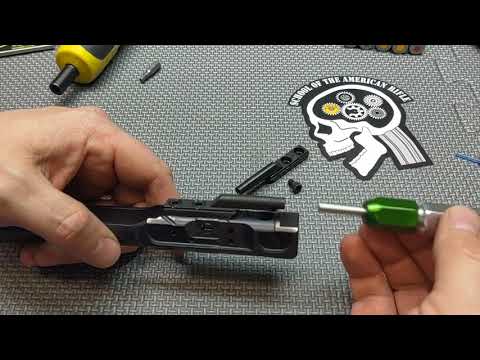
Worst Ever BCG AUTOPSY caught on camera. (See description)

Published on November 22, 2021
Duration: 18:44

This video provides a critical, expert-level inspection of a problematic AR-15 Bolt Carrier Group (BCG) by Chad Albrecht of School of the American Rifle. The analysis details numerous manufacturing defects, including an undersized bolt tail, excessive firing pin protrusion, oversized firing pin and cam pin holes, and a failing headspace check. The content highlights the importance of precision gauging in identifying critical failure points that impact rifle reliability and safety.


Quick Summary

Expert analysis of a problematic AR-15 Bolt Carrier Group (BCG) reveals critical defects including an undersized bolt tail, excessive firing pin protrusion (0.039 inches), oversized firing pin/cam pin holes, and a failed headspace check with a .223 Go Gauge. These issues compromise reliability and safety.

Chapters

  1. 00:00Introduction of Problematic BCG
  2. 01:40Bolt Tail Gauging Failure
  3. 03:50Firing Pin Protrusion Measurement
  4. 05:30Firing Pin Hole Inspection
  5. 07:15Cam Pin and Headspace Issues
  6. 08:54Extractor and Carrier Length Check
  7. 11:30Carrier Key and Alignment
  8. 13:00Internal Carrier Gauging Results

Frequently Asked Questions

What are common critical defects found in an AR-15 Bolt Carrier Group (BCG)?

Common critical defects include an undersized bolt tail, excessive firing pin protrusion, oversized firing pin or cam pin holes, and failing headspace checks. These issues can lead to gas leaks, pierced primers, and unreliable cycling, significantly impacting firearm function and safety.

How is firing pin protrusion measured and what is the acceptable range?

Firing pin protrusion is measured using precision tools like digital indicators. The acceptable range is typically between 0.028 to 0.036 inches. Protrusion outside this range, such as 0.039 inches, can cause problems like pierced primers.

Why is headspace critical for an AR-15 Bolt Carrier Group?

Headspace ensures the cartridge is properly seated in the chamber before firing. A bolt that is too short, failing a Go Gauge check, compromises safe chambering and reliable function, potentially leading to malfunctions or dangerous pressure issues.

What tools are essential for inspecting an AR-15 BCG?

Essential tools for inspecting an AR-15 BCG include precision measuring devices such as Mitutoyo digital calipers and iGaging digital indicators. Go/No-Go gauges are also critical for checking headspace and bolt dimensions.

More Gunsmithing & DIY Videos You Might Like

More from School of the American Rifle

View all →