5 MIN AGO: House JUST ANNOUNCED End ATF Rules!

Published on December 13, 2023
Duration: 25:17

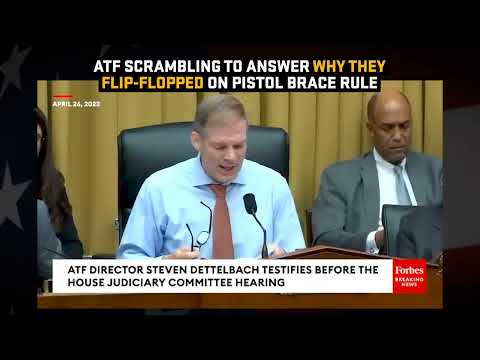
This video details the Sixth Circuit Court's ruling that the ATF's ban on bump stocks is unconstitutional, highlighting the agency's overreach and the ambiguity in defining 'machine gun.' It also covers the legal challenges and preliminary injunction against the ATF's pistol brace rule, emphasizing the ongoing legal battles over firearm regulations and the potential impact on Second Amendment rights.

Quick Summary

The Sixth Circuit Court declared the ATF's ban on bump stocks unconstitutional, ruling that these accessories do not transform semi-automatic rifles into machine guns. This decision challenges the ATF's regulatory authority and highlights ongoing legal battles over firearm accessories and Second Amendment rights.

Frequently Asked Questions

What was the Sixth Circuit Court's ruling on the ATF's bump stock ban?

The Sixth Circuit Court of Appeals ruled the ATF's ban on bump stocks unconstitutional. They determined that bump stocks do not convert a semi-automatic rifle into a machine gun, thus exceeding the ATF's regulatory authority and infringing upon Second Amendment rights.

Why was the ATF's pistol brace rule challenged in court?

The ATF's rule redefining firearms with pistol braces as Short Barreled Rifles (SBRs) was challenged by gun rights groups. They argued the ATF overstepped its authority, particularly after previously approving pistol braces, and that the rule criminalized law-abiding citizens.

What is the significance of the preliminary injunction against the ATF's pistol brace rule?

The preliminary injunction effectively halts the enforcement of the ATF's pistol brace rule nationwide. This means individuals can continue to possess and use firearms equipped with pistol braces without immediate fear of registration or penalties, pending further legal proceedings.

What legal concepts are involved in the ATF's regulatory challenges?

Key legal concepts include Chevron deference, where courts often defer to an agency's interpretation of ambiguous laws, and the rule of lenity, which dictates that criminal statutes should be interpreted in favor of the defendant when ambiguity exists. These principles are central to the debates over ATF's rulemaking authority.

Related News

All News →

More 2nd Amendment & Law Videos You Might Like

More from Best Iron

View all →