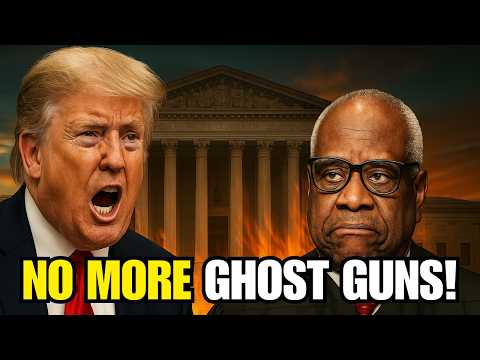
ACTUAL AUDIO: SUPREME COURT ATF FIGHT OVER "GHOST GUNS"...

Published on October 9, 2024
Duration: 16:09

This video presents excerpts from the oral arguments in Vanderstock v. Garland, a Supreme Court case concerning the ATF's regulation of 'ghost guns' (privately made, unserialized firearms). It highlights the legal arguments from both the government, represented by Solicitor General Elizabeth Prelogar, and the plaintiffs, represented by attorney Pete Patterson. The core of the debate revolves around the interpretation of the Gun Control Act of 1968, specifically the definitions of 'firearm' and 'frame or receiver,' and whether the ATF exceeded its statutory authority.

Quick Summary

The Supreme Court case Vanderstock v. Garland centers on the ATF's regulation of 'ghost guns.' The government argues these unserialized firearms pose a public safety risk and fall under the Gun Control Act of 1968. The plaintiffs contend the ATF exceeded its authority by redefining 'firearm' and 'frame or receiver' beyond congressional intent.

Chapters

  1. 00:00Introduction: Ghost Guns & Supreme Court Case
  2. 00:19Potential Impact of 2024 Election on Regulations
  3. 01:17Host Mark Smith's Background and Channel Intro
  4. 01:29Focus: Oral Arguments in Vanderstock v. Garland
  5. 02:16Case Nature: Statutory Interpretation vs. 2nd Amendment
  6. 02:57Solicitor General Prelogar's Argument for ATF
  7. 05:48Attorney Pete Patterson's Argument for Plaintiffs
  8. 09:21Solicitor General Prelogar's Rebuttal
  9. 14:35Summary and Future Outlook of the Case
  10. 15:00Potential Executive Action Impacting Regulations

Frequently Asked Questions

What is the Vanderstock v. Garland Supreme Court case about?

The Vanderstock v. Garland case is a legal challenge to the ATF's regulation of 'ghost guns,' which are privately made, unserialized firearms. The core issue is whether the ATF exceeded its statutory authority under the Gun Control Act of 1968 by expanding the definitions of 'firearm' and 'frame or receiver'.

What is the ATF's stance on 'ghost guns' in the Vanderstock v. Garland case?

The ATF, represented by Solicitor General Elizabeth Prelogar, argues that its regulation is consistent with the Gun Control Act of 1968. They contend that weapon parts kits readily convertible to functional firearms and unfinished frames or receivers are covered under the Act, citing public safety concerns.

What is the plaintiffs' argument in Vanderstock v. Garland regarding 'ghost guns'?

The plaintiffs, represented by attorney Pete Patterson, argue that the ATF has overstepped its authority by redefining 'frame or receiver' and 'firearm' beyond what Congress intended in the Gun Control Act of 1968. They emphasize that compliance with the statute is not circumvention and that Congress did not regulate the secondary market extensively.

Is Vanderstock v. Garland a Second Amendment case?

No, the video clarifies that Vanderstock v. Garland is primarily a statutory interpretation case. It focuses on whether the ATF correctly applied and interpreted the existing definitions within the Gun Control Act of 1968, rather than directly challenging the constitutionality of gun control laws under the Second Amendment.

Related News

All News →

More 2nd Amendment & Law Videos You Might Like

More from The Four Boxes Diner

View all →