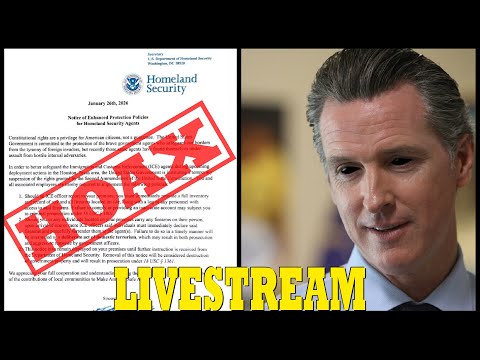
CALIFORNIA JUST BANNED HOME DEFENSE FIREARMS - SB53 safe storage laws

Published on September 27, 2024
Duration: 11:46

California's SB53, signed by Gavin Newsom, introduces stringent safe storage requirements for firearms, effective January 1, 2026. The law mandates that firearms not actively carried or under the person's immediate control must be stored in a locked safety device. This significantly impacts how firearms can be kept for home defense, potentially criminalizing common activities like working on a gun in a garage or briefly setting it down.

Quick Summary

California's SB53 law, effective January 1, 2026, requires firearms not actively carried or under immediate control to be stored in a locked safety device. This law significantly impacts home defense firearm staging, potentially criminalizing common activities if the firearm is not within immediate reach or secured.

Chapters

  1. 00:26SB53 Impact on Firearm Ownership
  2. 01:09SB53 Bans Staged Home Defense Firearms
  3. 02:11Existing vs. New Safe Storage Laws
  4. 04:17SB53 Penal Code 254145 Explained
  5. 05:53Defining 'Readily Controlled' Firearms
  6. 07:09Examples of SB53 Violations
  7. 09:23Lawsuit Against SB53 Overreach

Frequently Asked Questions

What is California's SB53 law and when does it take effect?

California's SB53 law, signed by Governor Gavin Newsom, mandates new safe storage requirements for firearms. It takes effect on January 1, 2026, significantly altering how firearms must be secured in residences.

How does SB53 affect home defense firearms in California?

SB53 effectively bans keeping a firearm staged for home defense if it's not actively carried or under immediate, accessible control. Firearms not in use must be stored in a locked safety device, making traditional home defense setups potentially illegal.

What does 'readily controlled' mean under California's SB53 law?

'Readily controlled' under SB53 means the firearm is within your immediate touching distance or within your immediate ability to grab it. If the firearm is not within this close proximity, it is considered not readily controlled and must be in a locked safety device.

What are examples of actions that could violate SB53?

Actions like working on a gun in your garage and then going upstairs, or transporting a gun, setting it down, and leaving the room, could violate SB53. The only way to ensure compliance when not carrying is to have the firearm secured in a locked device.

Related News

All News →

More 2nd Amendment & Law Videos You Might Like

More from Reno May

View all →