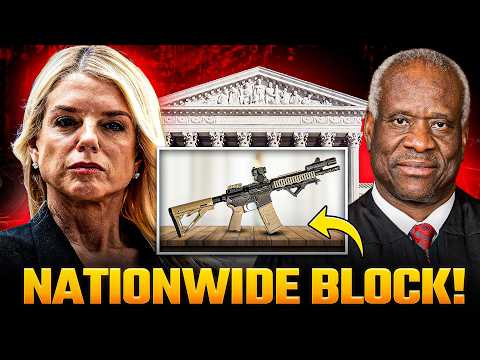
DEVELOPING: ATF & DOJ PUSH Their Luck In Charging For PISTOL BRACE Case... BUREAUCRATS DEFY BONDI...

Published on April 14, 2025
Duration: 12:34

This video discusses the US v. Toronto case, where an individual was charged with NFA violations for possessing a pistol with a stabilizing brace. The speaker argues that the ATF and DOJ, influenced by 'anti-gun holdovers' from the Biden administration, are using this case to establish a dangerous precedent for pistol brace ownership, despite previous injunctions against enforcing such rules. The case highlights the ATF's strategy of 'tack-on' charges to create favorable legal precedents.

Quick Summary

The US v. Toronto case involves the DOJ charging an individual for possessing a pistol with a stabilizing brace, which the ATF seeks to classify as an NFA violation. This is viewed as a dangerous precedent, as it's driven by bureaucratic 'holdovers' aiming to circumvent injunctions against enforcing pistol brace rules.

Chapters

  1. 00:00Introduction: ATF & DOJ Pistol Brace Case
  2. 00:49Developing Case: US v. Toronto Tweeted
  3. 01:06Not Bondi or Trump: Bureaucratic Actions
  4. 01:36CZ Scorpion Pistol Brace Ownership Charge
  5. 01:57DOJ Criminal Charges in DC
  6. 02:17GOA & FRAC Urge DOJ to Drop Charges
  7. 02:35Two Dangerous Precedents Explained
  8. 03:01The Raheem Case and Framing
  9. 03:32Biden's Rule No Longer in Effect
  10. 03:48US v. Toronto: Tack-On Charge Strategy
  11. 04:40Holdovers from Biden Administration
  12. 05:08Rectifying Bureaucratic Actions
  13. 05:37The Problem is Middle Management
  14. 05:42GOA's Letter and Framing Concerns
  15. 06:16Toronto's Incident Details
  16. 06:34Erratic Behavior and Live Streaming
  17. 06:42Vehicle Outfitted with Detonator Allegation
  18. 06:50Driving into DC, Secret Service Area
  19. 07:06CZ Scorpion Pistol with Brace Found
  20. 07:10Why It's a Tack-On Charge
  21. 07:30DOJ Holdovers Making Hay
  22. 07:59Charged as Handgun and Short Barrel Rifle
  23. 08:09Conflicting Charges: Rifle and Handgun?
  24. 08:35DOJ's Internally Conflicting Positioning
  25. 08:43DOJ Brief Opposing Motion to Dismiss
  26. 09:16Case-by-Case Determinations
  27. 09:22The Problem of Random Choices
  28. 09:47Bad Sign for ATF Direction
  29. 09:51ATF Insists on Charging Brace Crimes
  30. 10:00Career Anti-Gun Bureaucrats
  31. 10:11Reaffirmation of Bureaucratic Agenda
  32. 10:28The Middle Managers are the Problem
  33. 10:30Suppressors Case Comparison
  34. 10:51Placing Blame Correctly
  35. 11:21GOA's Interest: Millions of Gun Owners
  36. 11:36Rogue Element Within DOJ and ATF
  37. 11:45The Sticky Point: Criminal Propensity
  38. 12:05Gun Controllers' Smear Tactic Approach
  39. 12:14Focusing on the Right Points
  40. 12:27Conclusion and Viewer Feedback

Frequently Asked Questions

What is the US v. Toronto case about?

The US v. Toronto case involves criminal charges brought by the DOJ in Washington D.C. against an individual for possessing a handgun equipped with a pistol stabilizing brace, which the ATF is attempting to classify as an NFA violation.

Why is the US v. Toronto case considered a dangerous precedent?

This case is seen as a dangerous precedent because the ATF and DOJ are pursuing charges for pistol brace ownership despite previous injunctions, potentially impacting millions of Americans who own similar firearms.

Who is responsible for the ATF's actions in the pistol brace case?

The speaker argues that the actions are driven by 'anti-gun holdovers' within the ATF and DOJ bureaucracy from the Biden administration, rather than by political leadership like Pam Bondi or Donald Trump.

How is the ATF attempting to circumvent injunctions on pistol brace rules?

The ATF is using 'tack-on' charges in cases where individuals have committed other serious offenses, aiming to establish a legal precedent for pistol brace violations without directly challenging the injunctions.

Related News

All News →

More 2nd Amendment & Law Videos You Might Like

More from Langley Outdoors Academy

View all →