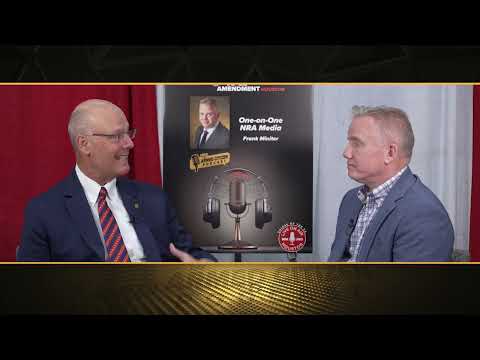
Get Your 2A Rights Back! - The Legal Brief

Published on October 10, 2018
Duration: 8:37

This video explains how individuals convicted of certain state law misdemeanors, specifically those punishable by more than two years imprisonment, may be federally prohibited from firearm possession. It details a recent federal court ruling in Pennsylvania that granted relief to an individual challenging this ban, establishing a two-step analysis based on historical justifications for firearm prohibition and heightened scrutiny. The ruling suggests that DUIs, even second offenses, may not be considered 'serious offenses' under federal law if they are non-violent and lack cross-jurisdictional consensus on severity, potentially opening avenues for restoring Second Amendment rights.

Quick Summary

Individuals convicted of a state misdemeanor punishable by over two years imprisonment may be federally prohibited from firearm possession. However, recent court decisions, like Holloway v. United States, indicate that such prohibitions can be challenged, especially if the offense is non-violent and lacks a clear consensus on its seriousness among states, potentially allowing for the restoration of Second Amendment rights.

Chapters

  1. 00:00Introduction: Legal Brief & Gun Rights
  2. 00:10Host Introduction & Show Premise
  3. 01:14Federal Prohibition for Misdemeanors
  4. 01:32Holloway v. United States Ruling
  5. 02:00Second Amendment Challenge Explained
  6. 02:11Binderup Analysis Framework
  7. 03:13Factors for Determining 'Serious Offense'
  8. 04:22Cross-Jurisdictional Consensus on DUI
  9. 05:14Holloway's Crime Not 'Serious'
  10. 05:23Step Two: Heightened Scrutiny
  11. 06:10Court's Findings on Holloway's Behavior
  12. 06:24Permanent Injunctive Relief Granted
  13. 06:38Implications of the Ruling
  14. 07:10Restoring Second Amendment Rights

Frequently Asked Questions

Can individuals convicted of a misdemeanor get their gun rights back?

Yes, it may be possible. Federal law prohibits firearm possession for those convicted of a state misdemeanor punishable by over two years imprisonment. However, recent court rulings, like Holloway v. United States, suggest that individuals can challenge this ban by arguing their specific offense is not a 'serious crime' historically barring Second Amendment rights.
What is the legal process for restoring firearm rights after a conviction?

The process often involves a legal challenge arguing that the prohibition is unconstitutional as applied. This typically follows a two-step analysis: first, distinguishing the individual's circumstances from historically disarmed classes, and second, requiring the government to meet heightened scrutiny with evidence, not just assertions.

What makes a crime a 'serious offense' that can lead to firearm prohibition?

Four factors are considered: state classification (felony/misdemeanor), whether violence is an element, the severity of the sentence imposed, and whether there's a consensus among states regarding the offense's seriousness. Non-violent offenses with less severe sentences and varying state punishments are less likely to be deemed 'serious'.

Can a DUI conviction lead to a federal firearm ban?

A state misdemeanor DUI punishable by more than two years imprisonment can lead to a federal ban. However, a recent ruling indicated that a second DUI, even if punishable by up to five years, might not be considered a 'serious offense' if it's non-violent and lacks cross-jurisdictional consensus on its severity, potentially allowing for rights restoration.

Related News

All News →

More 2nd Amendment & Law Videos You Might Like

More from TheGunCollective

View all →