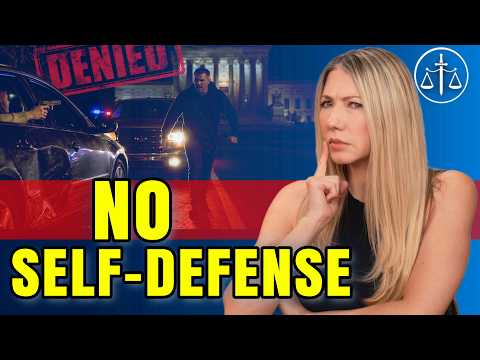
Homemade Braces, Night Vision in Self Defense, and Bayonets!

Published on April 6, 2026
Duration: 16:17

This video from Armed Attorneys addresses several critical legal and tactical questions for firearm owners. It clarifies the distinction between pistol braces and stocks in the post-rule ATF landscape, discusses the legal risks of brandishing a firearm in self-defense, and analyzes the potential impact of 'no firearms' signs in self-defense scenarios. The discussion also covers the use of night vision in home defense and the legal implications of being charged after a self-defense shooting, as well as the advisability of mounting bayonets on home defense carbines.

Quick Summary

The distinction between pistol braces and stocks is now less about specific ATF criteria and more about the firearm's intended design: shoulder firing for stocks versus one-handed stabilization for braces. Brandishing a firearm in self-defense carries legal risk, and warning shots are strongly discouraged as they can negate the immediacy argument for using deadly force.

Chapters

  1. 00:00Intro: Bayonets and Home Defense
  2. 00:49Pistol Braces vs. Stocks: ATF Regulations
  3. 02:20ATF Rule Changes and Legal Uncertainty
  4. 03:28Legal Risk of Brandishing in Self-Defense
  5. 05:51Why Warning Shots Are a Bad Idea
  6. 06:29Firearms in Posted Gun-Free Zones
  7. 08:52Night Vision in Home Defense Scenarios
  8. 12:46Buying a Replacement Firearm After a Shooting
  9. 14:03Should You Mount a Bayonet on Your Carbine?
  10. 15:51Conclusion and Call to Action

Frequently Asked Questions

What is the current legal status of pistol braces versus stocks?

The ATF's previous factoring criteria for distinguishing between pistol braces and stocks have been largely set aside. The focus now is on whether the firearm is designed and intended for shoulder firing (stock) or for stabilization during one-handed use (brace).

Can drawing a firearm in self-defense lead to brandishing charges?

Yes, there's a legal risk. While some states recognize firearm display as a de-escalation tool, prosecutors may argue it wasn't immediately necessary if no shots were fired. It's crucial to know your state's specific laws and act based on immediate peril.

Is it advisable to use night vision for home defense?

In a home invasion, night vision is generally less of a legal concern due to the inherent threat. However, using it in public defense scenarios can be problematic, potentially making you appear to be 'hunting' and undermining the immediacy of your threat perception.

Can I buy a new firearm if my original was seized after a self-defense shooting?

It depends. If you are under a felony indictment, federal law prohibits firearm possession. Additionally, bail or bond conditions may restrict your ability to own firearms. Always consult your attorney for specific advice.

Related News

All News →

More 2nd Amendment & Law Videos You Might Like

More from Armed Attorneys

View all →