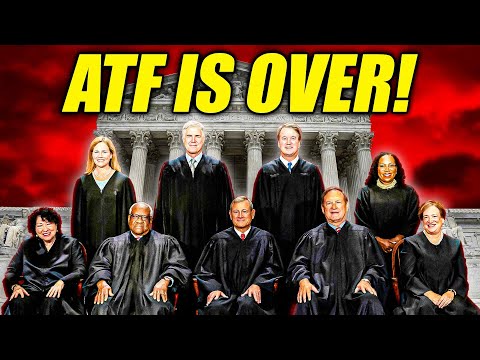
How the Bump Stock Ruling Undermines All of Operation Reticent Recall

Published on January 11, 2023
Duration: 12:32

This analysis by William Kirk of Washington Gun Law TV dissects the implications of the Cargill v. Garland ruling, which found the ATF's bump stock ban unlawful. Kirk argues this decision significantly undermines the ATF's regulatory overreach, particularly concerning 'Operation Reticent Recall' and its enforcement actions against forced reset triggers and similar devices. The ruling emphasizes plain language interpretation of statutes, potentially setting a precedent against agency rulemaking that creates new criminal laws without congressional action.

Quick Summary

The Cargill v. Garland ruling found the ATF's bump stock ban unlawful by focusing on the statutory definition of a machine gun: 'any weapon which shoots... automatically more than one shot without manual reloading by a single function of the trigger.' The court emphasized the trigger's mechanical function over the shooter's action, undermining ATF overreach.

Chapters

  1. 00:00Introduction and Bump Stock Ruling
  2. 00:54Cargill v. Garland and ATF's Actions
  3. 02:15Operation Reticent Recall and Forced Reset Triggers
  4. 03:24ATF Rulemaking vs. Congressional Action
  5. 03:54Dianne Feinstein's Stance on Bump Stocks
  6. 05:38Cargill v. Garland's Holding: Single Function of Trigger
  7. 06:24Trigger Function vs. Shooter's Action
  8. 08:32Plain Language Interpretation of Statute
  9. 10:41Implications for Forced Reset Triggers and Operation Reticent Recall
  10. 11:18Broader Implications and Call to Action

Frequently Asked Questions

What was the outcome of the Cargill v. Garland case regarding bump stocks?

The Fifth Circuit Court of Appeals ruled in Cargill v. Garland that the ATF's ban on bump stocks was unlawful. This decision overturned the ATF's reclassification of bump stocks as machine guns, impacting federal regulations.

How does the Cargill v. Garland ruling affect 'Operation Reticent Recall'?

The speaker argues that the Cargill v. Garland ruling significantly undermines 'Operation Reticent Recall,' an ATF initiative that targeted forced reset triggers and similar devices. The ruling's emphasis on statutory interpretation challenges the ATF's regulatory approach.

What is the key legal interpretation in the Cargill v. Garland ruling?

The ruling hinges on the statutory definition of a machine gun, focusing on the 'single function of the trigger.' The court rejected the government's argument that this referred to the shooter's action, emphasizing the trigger's mechanical function instead.

Why is the ATF's rulemaking process criticized in relation to the bump stock ruling?

The ATF is criticized for reinterpreting existing laws to create new regulations, effectively implementing criminal laws without congressional action. The Cargill ruling supports the idea that such actions are outside the agency's authority.

More 2nd Amendment & Law Videos You Might Like

More from Washington Gun Law

View all →