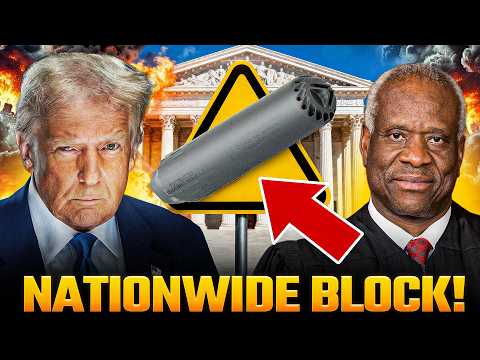
Retired ATF Agent Says ATF is in For More Losses

Published on June 18, 2024
Duration: 40:31

This video features a discussion with retired ATF Agent Dan O'Kelly regarding recent legal losses for the ATF. The conversation focuses on how procedural mistakes by the ATF have led to court rulings against their regulations, particularly concerning bump stocks, pistol braces, and forced reset triggers. O'Kelly explains that these decisions were based on the ATF exceeding its authority and misinterpreting statutes, rather than on Second Amendment interpretations. The discussion also touches on the broader implications for administrative agencies and the importance of legislative processes over executive fiat.

Quick Summary

Retired ATF Agent Dan O'Kelly explains that the ATF is facing significant legal losses due to procedural errors and overreach, often misinterpreting statutes and exceeding their authority. Recent court decisions, including the Supreme Court's rejection of the bump stock ban, highlight that regulatory changes must follow legislative processes, not administrative fiat.

Chapters

  1. 00:00Introduction & YouTube Censorship
  2. 01:26Interview with Dan O'Kelly Begins
  3. 01:30Recent ATF Legal Losses Discussed
  4. 03:33Forced Reset Trigger Case Prediction
  5. 04:03Definition of Machine Gun Explained
  6. 05:08ATF's Bump Stock Reversal
  7. 06:24Forced Reset Triggers vs. Bump Stocks
  8. 06:42Binary Triggers vs. Bump Stocks
  9. 08:07ATF's Focus on Speed vs. Statute
  10. 08:33Administrative State Critique
  11. 09:17Receiver Case Discussion
  12. 09:45Pistol Brace Case Prediction
  13. 11:11Integrity of ATF Testimony
  14. 13:24Trump's Role in Bump Stock Ban
  15. 15:03Legislative Process vs. Fiat
  16. 19:20Bump Stocks Safety Outlook
  17. 20:23Root of the Problem: ATF Leadership
  18. 21:58Integrity of ATF Legal Counsel
  19. 23:02Court Credibility of ATF
  20. 23:43Perjury and Lack of Sanctions
  21. 24:23Government Agents Lying in Court
  22. 26:04Employee Integrity in Agencies
  23. 27:07Perjury and Expert Testimony
  24. 28:01MAC-10 Flats Case Example
  25. 29:40Why Isn't It Evenhanded?
  26. 31:45Federal vs. State Laws
  27. 33:49Florida Bump Stock Law Analysis
  28. 36:14SCOTUS Indicating Limits on Agencies
  29. 37:03Re-emergence of Bump Stocks
  30. 38:10Dan O'Kelly's Testimony Services
  31. 39:31Conclusion & Channel Support

Frequently Asked Questions

What are the main reasons the ATF is facing legal losses?

The ATF is facing legal losses primarily due to procedural mistakes and overreach, where they have attempted to create regulations or definitions outside their statutory authority. These actions often violate the Administrative Procedures Act, leading courts to strike down their rules, as seen in cases involving bump stocks and pistol braces.

How did the Supreme Court rule on the ATF's bump stock ban?

The Supreme Court threw out the ATF's bump stock ban, ruling that the agency exceeded its authority by classifying bump stocks as machine guns through administrative fiat. The Court emphasized that such a significant change in regulation should originate from Congress through the legislative process.

What is the significance of the 'single function of the trigger' in machine gun definitions?

The phrase 'a single function of the trigger' is critical in defining machine guns. The Supreme Court clarified that this refers to a single movement of the trigger, not the actions of the shooter's finger. This distinction was key in overturning the bump stock ban, as bump stocks fire one shot per trigger movement.

Why is the ATF's reversal on bump stocks and pistol braces considered problematic?

The ATF's reversal on items like bump stocks and pistol braces, after years of stating they were not illegal, is seen as problematic because it suggests their interpretations are driven by political pressure rather than consistent legal analysis. This inconsistency erodes credibility and leads to legal challenges.

How do administrative agencies like the ATF overstep their authority?

Administrative agencies often overstep their authority by creating rules that have the force of law without going through Congress. They may misinterpret existing statutes or expand definitions beyond their intended scope, a practice courts are increasingly scrutinizing and pushing back against.

Related News

All News →

More 2nd Amendment & Law Videos You Might Like

More from GunGuyTV

View all →