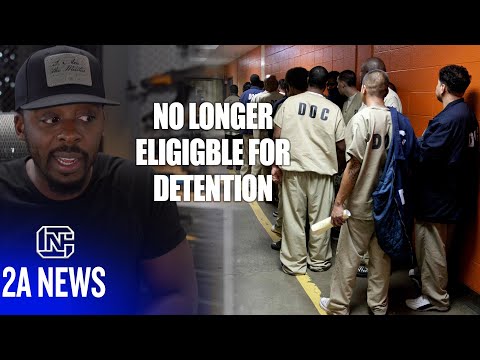
IL SAFE-T Act React to Attorney Bryan Drew and Others

Published on October 30, 2022
Duration: 88:05

This video provides a detailed analysis and reaction to the Illinois SAFE-T Act, focusing on its implications for pre-trial release, detention, and the legal process. Instructor Mike, a former police officer, critically examines statements made by attorney Brian Drew, citing specific statutes and legal precedents to clarify misunderstandings and highlight potential issues within the act. The discussion delves into the complexities of bail hearings, the presumption of innocence, and the impact of implicit bias in the justice system, offering a nuanced perspective on the law's practical application.

Quick Summary

The Illinois SAFE-T Act, or Safety, Accountability, Fairness, and Equity Today Act, is a comprehensive reform of the state's criminal justice system. Key provisions address pre-trial release, detention, and policing standards, aiming to balance defendant rights with public safety. However, the act has faced scrutiny regarding its practical application, potential for misuse, and impact on law enforcement procedures.

Chapters

  1. 02:51Introduction to SAFE-T Act Reaction
  2. 09:15Attorney Brian Drew's Initial Claims
  3. 12:16Statutory Analysis of Detention Provisions
  4. 19:06Speedy Trial Statute (725 ILCS 5 Section 103-5)
  5. 23:0990-Day Trial Deadline Debate
  6. 25:06Motion for Continuance (725 ILCS 5 Section 114-4)
  7. 28:13Pre-trial Release Presumption
  8. 32:32Implicit Bias in Legal Proceedings
  9. 33:32Red Flag Law Misuse Prevention Discussion
  10. 36:17Who is Believed Without Proof?
  11. 41:15Falsely Accused Scenarios
  12. 46:05Political Capital and Community Influence
  13. 56:53Identifiable Victim Argument in Carjacking
  14. 63:30Danger to the Public vs. Specific Victim
  15. 66:49Universal Law and Self-Defense
  16. 70:00Jason Van Dyke Bail Controversy
  17. 72:08Misdemeanor Offenses and Police Removal
  18. 73:04Anonymous Complaints Against Police
  19. 77:05Private Citizen Arrest Statute (725 ILCS 5 Section 107-3)
  20. 80:52Implementation of New Boards
  21. 83:34Illinois Law Enforcement Training and Standards Board (ILETSB)
  22. 86:26Other SAFE-T Act Issues
  23. 87:17Outro and Contact Information

Frequently Asked Questions

What is the Illinois SAFE-T Act?

The Illinois SAFE-T Act, or Safety, Accountability, Fairness, and Equity Today Act, is a comprehensive piece of legislation enacted in Illinois that aims to reform the state's criminal justice system. It includes provisions related to pre-trial release, detention, policing standards, and other aspects of the legal process.

What are the key concerns regarding pre-trial release under the Illinois SAFE-T Act?

Concerns include the presumption of eligibility for pre-trial release, the potential for "mini-trials" at bail hearings to determine guilt, and the impact of implicit bias. Critics question whether the act adequately balances the rights of the accused with public safety, particularly in cases involving serious offenses.

Does the Illinois SAFE-T Act mandate release for all individuals accused of murder if not tried within 90 days?

No, this is a common misconception. The SAFE-T Act does not mandate release for all murder defendants within 90 days. Illinois law, specifically 725 ILCS 5 Section 103-5, outlines a 120-day speedy trial period with exceptions for delays caused by the defendant or other legal proceedings.

What is the significance of the "specifically identifiable victim" argument in relation to the SAFE-T Act?

The SAFE-T Act's provisions may require prosecutors to identify a specific victim when seeking detention, which could impact cases like carjacking where the primary goal is property theft. Critics argue this standard is too narrow and may not adequately address the danger posed to the general public.

Related News

All News →

More 2nd Amendment & Law Videos You Might Like

More from Instructor Mike

View all →