Legal Scholar Series: NRA’s Joseph Greenlee talks to noted 2A Scholar David Hardy

Published on May 6, 2026
Duration: 33:58

This video features a discussion between Joseph Greenlee and Second Amendment scholar David Hardy, focusing on the historical and legal context of federal firearms legislation, particularly the Firearm Owners Protection Act (FOPA) of 1986. Hardy, who was involved in the passage of FOPA, details how it amended the Gun Control Act of 1968, addressing issues like dealer licensing, interstate sales, and the intent requirements for violations. The conversation also touches upon earlier firearms laws like the National Firearms Act of 1934 and the Federal Firearms Act of 1938, highlighting the evolution of federal firearms regulation and the ATF's enforcement practices.

Quick Summary

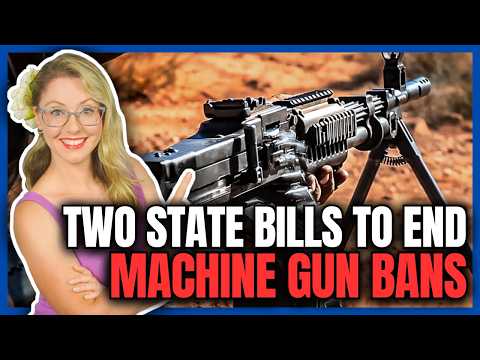
The Firearm Owners Protection Act (FOPA) of 1986 significantly amended the Gun Control Act of 1968 by defining 'engaged in the business' for licensing, introducing 'state of mind' requirements for violations, and clarifying interstate transportation rules. It also included the Hughes Amendment, banning post-1986 civilian machine guns, and established attorney fee provisions for gun owners prevailing in certain legal contests.

Chapters

  1. 00:02Introduction: Joseph Greenlee interviews David Hardy
  2. 00:08David Hardy's Second Amendment Scholarship
  3. 01:11Focus on FOPA: A Historical and Legal Perspective
  4. 01:31David Hardy's Involvement in FOPA's Passage
  5. 02:57Importance of Understanding FOPA Amendments to GCA 1968
  6. 04:39National Firearms Act of 1934 Explained
  7. 07:03Federal Firearms Act of 1938 Regulations
  8. 08:21Gun Manufacturers' Motivation for Supporting GCA 1968
  9. 10:37ATF Enforcement of the Gun Control Act
  10. 11:14Abuses Leading to FOPA
  11. 15:06FOPA's Impact on Federal Firearms Transactions
  12. 15:40FOPA Narrowing Dealer Licensing Requirements
  13. 18:14FOPA and Interstate Sales Regulations
  14. 20:03FOPA's Effect on License Record Inspections
  15. 21:11FOPA's Changes to Licensee Penalties and Revocations
  16. 22:29FOPA's Attorney Fee Provisions
  17. 24:45FOPA and Interstate Transportation of Firearms
  18. 26:23The Hughes Amendment and FOPA
  19. 26:45Behind the Scenes: Getting FOPA Through Congress

Frequently Asked Questions

What was the primary purpose of the Firearm Owners Protection Act (FOPA) of 1986?

The Firearm Owners Protection Act (FOPA) of 1986 was enacted to amend and significantly alter the Gun Control Act of 1968. Its main goals were to correct perceived abuses by the Bureau of Alcohol, Tobacco, and Firearms (ATF) in enforcing the GCA, narrow the scope of federal firearms laws, and provide greater protections for lawful gun owners and collectors.

How did FOPA change federal firearms dealer licensing requirements?

FOPA provided a definition for 'engaged in the business' of dealing firearms, which narrowed the requirement for obtaining a federal firearms license. It also created exclusions for collectors exchanging or liquidating their collections, and importantly, introduced a 'state of mind' requirement (willful or knowing violations) for most offenses, moving away from strict liability.

What impact did the Hughes Amendment have within FOPA?

The Hughes Amendment, incorporated into FOPA, banned the manufacture, importation, and sale of machine guns for civilian possession that were manufactured after May 19, 1986. This provision significantly restricted access to newly produced automatic firearms for the general public.

What are the key provisions of FOPA regarding interstate firearm transportation?

FOPA's Section 926A provides an affirmative defense for lawful gun owners transporting firearms across state lines. As long as the firearm is unloaded, in a locked container, and separate from the passenger compartment, it is protected from being considered illegal in transit through states with stricter laws. This aims to prevent arrests for simple transit.

More 2nd Amendment & Law Videos You Might Like

More from NRA

View all →