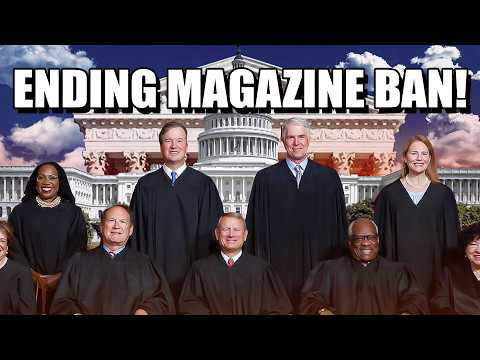
Mexico's Blame Game That Wants to Take Your Second Amendment Rights

Published on December 5, 2024
Duration: 12:35

This video analyzes the Smith & Wesson v. Mexico case, focusing on Mexico's lawsuit against US firearm manufacturers. It highlights the National Association for Gun Rights' amicus brief, which argues that Mexico's own policies, including 'hugs not bullets' and corruption, are the true causes of its cartel violence, not the legal manufacturing of firearms in the US. The brief emphasizes the legal concept of proximate cause, asserting that the harm Mexico claims is not a foreseeable consequence of US manufacturers' actions.

Quick Summary

Mexico's lawsuit against Smith & Wesson alleges US firearm manufacturing causes cartel violence. The National Association for Gun Rights (NAGR) argues Mexico's own failed policies, corruption, and lax border enforcement are the true causes, not the legal production of firearms.

Chapters

  1. 00:00Introduction: Smith & Wesson v. Mexico Case
  2. 01:06NAGR: Fighting for Your Rights
  3. 01:41The Lawsuit Explained: Smith & Wesson vs. Mexico
  4. 03:37Understanding Proximate Cause in Law
  5. 05:07Mexico's Argument vs. Foreseeability
  6. 05:52NAGR's Rebuttal: Mexico's Own Policies
  7. 07:15Blame Shifting: Mexico's Internal Failures
  8. 07:32'Hugs Not Bullets' Policy and Corruption
  9. 09:05US Government's Role vs. Manufacturers
  10. 09:23US Border Policy and Cartel Funding
  11. 10:01Human Trafficking as a Cartel Profit Source
  12. 11:20Conclusion: The Real Causes of Violence

Frequently Asked Questions

What is the core argument in the Smith & Wesson v. Mexico lawsuit?

Mexico is suing US firearm manufacturer Smith & Wesson, claiming that the legal production of firearms in the US contributes to gun violence and cartel activity within Mexico. The lawsuit seeks to hold manufacturers liable for damages caused by these issues.

How does the National Association for Gun Rights (NAGR) view Mexico's lawsuit against Smith & Wesson?

NAGR views the lawsuit as Mexico's 'blame game,' arguing that Mexico is trying to shift responsibility for its own internal policy failures, corruption, and ineffective law enforcement onto US companies.

What is 'proximate cause' and why is it important in the Smith & Wesson v. Mexico case?

Proximate cause is a legal concept determining if harm was a foreseeable consequence of an action. For Mexico to succeed, they must prove that Smith & Wesson's legal manufacturing was a foreseeable cause of their cartel violence, a link NAGR disputes.

What internal policies of Mexico are cited as contributing to cartel violence?

The video and NAGR's brief mention Mexico's 'hugs not bullets' policy, which allegedly emboldened cartels, and widespread corruption within law enforcement agencies that were infiltrated by criminal organizations.

Related News

All News →

More 2nd Amendment & Law Videos You Might Like

More from Washington Gun Law

View all →