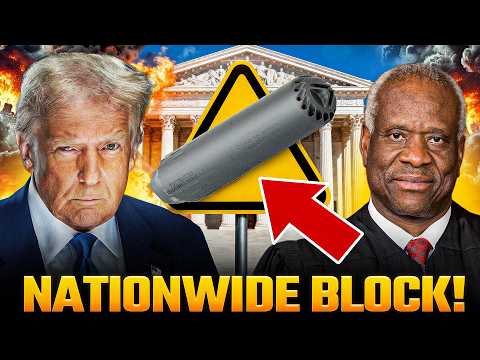
Saying "F#@% YOU!" to the ATF! (But Doing It as Politely as Possible)

Published on February 8, 2022
Duration: 10:07

The Yankee Marshal discusses the concept of civil disobedience as a means to challenge unconstitutional laws, particularly those enforced by the ATF. He argues that blatant, open defiance, even if it invites legal trouble, is crucial for establishing legal standing to sue and challenge laws, contrasting it with attempts to circumvent regulations. The video emphasizes that true change requires direct confrontation with unjust laws.

Quick Summary

Civil disobedience, when performed openly and flagrantly, is a strategic method to establish legal standing for challenging potentially unconstitutional laws. By deliberately violating a law, individuals create a direct case for the courts to review the law's validity, which is more effective than attempting to circumvent regulations.

Chapters

  1. 00:00Introduction: Civil Disobedience vs. Government
  2. 00:40The Point of Open Defiance
  3. 01:18AR-15 Sear and ATF Interpretation
  4. 01:41Establishing Legal Standing
  5. 02:10Civil Disobedience for Change
  6. 02:33Why Circumvention Isn't Enough
  7. 02:51The Hypocrisy of Selective Support
  8. 03:11Credibility Through Flagrancy
  9. 03:39The Right Way to Fight Back
  10. 03:56Viewer Question: Chest Rigs for Camping
  11. 04:06Chest Rig Disadvantages: Flagging
  12. 04:47Chest Rig Advantages: Mobility & Access
  13. 05:27Chest Rigs for Everyday Carry vs. Outdoors
  14. 05:49Conclusion: Chest Rigs Recommended for Outdoors

Frequently Asked Questions

What is the purpose of civil disobedience in challenging firearms laws?

Civil disobedience, when done openly and flagrantly, serves to establish legal standing. By deliberately breaking a law that is considered unconstitutional, individuals create a situation where the government must prosecute, allowing the law's validity to be tested in court.

How does the ATF's interpretation of firearm laws impact legal challenges?

The ATF's interpretations, such as making knowledge about firearm modifications illegal or criminalizing possession of certain parts without use, are seen by some as overreach. Openly defying these interpretations is a strategy to force the ATF to defend their rulings in court.

Why is doing something 'blatantly illegal' important for challenging a law?

To sue the government over a law, you typically need to demonstrate that you have been 'damaged' by it. Openly and flagrantly violating a law, even if it invites arrest, provides that direct damage and therefore the legal standing required to bring a case.

What is the difference between civil disobedience and trying to 'get around' a law?

Civil disobedience directly confronts and breaks a law to challenge its constitutionality, aiming to change the law itself. Trying to 'get around' a law, like using workarounds, avoids direct confrontation and does not challenge the law's existence or validity.

Related News

All News →

More 2nd Amendment & Law Videos You Might Like

More from TheYankeeMarshal

View all →