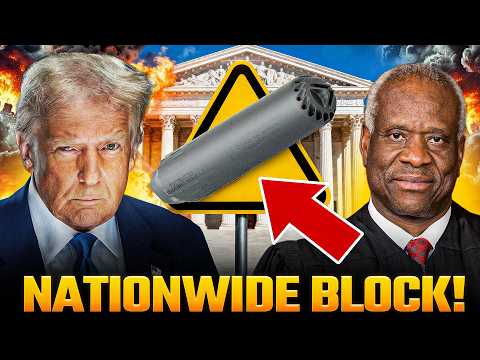
Supreme Court Issues 9-0 Unanimous Decision On Firearm Confiscation! Expansion Now Sought!

Published on June 4, 2025
Duration: 9:38

The Supreme Court has granted review to a new case, Case v. Montana, which seeks to expand upon the 2021 unanimous decision in Kigilia v. Strom. This new case will address the boundaries of warrantless entry into homes by law enforcement, particularly concerning the 'community caretaking' and 'exigent circumstances' exceptions to the Fourth Amendment's warrant requirement. The outcome could significantly impact citizens' rights against unreasonable searches and seizures of firearms within their homes.

Quick Summary

The Supreme Court is reviewing Case v. Montana, a case that could significantly impact Fourth Amendment protections against warrantless home entry and firearm confiscation. This case aims to clarify the 'exigent circumstances' exception, building on the 2021 Kigilia v. Strom ruling that limited the 'community caretaking' exception for home entries.

Chapters

  1. 00:00Supreme Court Review Granted
  2. 00:22Case Overview: Case v. Montana
  3. 01:00Expansion on Kigilia v. Strom
  4. 01:41Facts of the Case v. Montana
  5. 03:00Montana Supreme Court Decision
  6. 03:50Arguments Against Warrantless Entry
  7. 04:08Revisiting Kigilia v. Strom
  8. 05:52Details of Kigilia v. Strom Case
  9. 07:05Supreme Court Ruling in Kigilia
  10. 08:02Future Implications of Case v. Montana

Frequently Asked Questions

What is the significance of the Case v. Montana Supreme Court case?

The Supreme Court is reviewing Case v. Montana to determine the limits of warrantless entry into homes by law enforcement, particularly concerning firearm confiscation. This case builds on the 2021 Kigilia v. Strom decision, which restricted the 'community caretaking' exception for home entries.

How does Case v. Montana relate to the Kigilia v. Strom Supreme Court decision?

Case v. Montana seeks to expand upon the 9-0 ruling in Kigilia v. Strom. Kigilia established that police cannot enter a home without a warrant under the community caretaking exception. Case v. Montana will further clarify the 'exigent circumstances' exception and its application to emergency aid situations.

What are the key legal arguments in Case v. Montana regarding warrantless home entry?

The central dispute is whether police need probable cause or a lesser standard, like an objectively reasonable belief of an emergency, to enter a home without a warrant. Mr. Casease argues that prolonged police presence outside his home negated any exigent circumstances claim.

What protections does the Fourth Amendment offer regarding firearms in the home?

The Fourth Amendment protects individuals from unreasonable searches and seizures. The Supreme Court has repeatedly affirmed that the home is a place where these protections are strongest. Warrantless entry into a home is generally presumed unreasonable unless specific exceptions like exigent circumstances apply.

Related News

All News →

More 2nd Amendment & Law Videos You Might Like

More from Armed Scholar

View all →