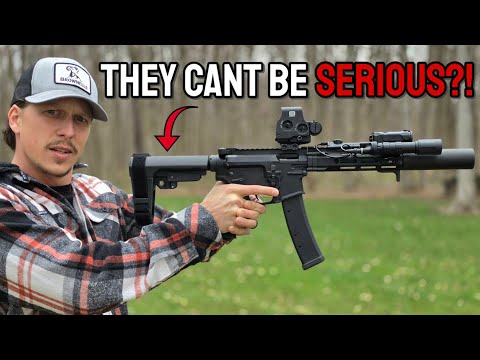
The ATF Refuses to Take Our Solvent Traps

Published on January 30, 2022
Duration: 6:26

This expert-level analysis from Washington Gun Law addresses the ATF's stance on solvent traps. It clarifies the legal status for individuals who purchased solvent traps, converted them into suppressors, and legally filed Form 1 applications, highlighting successful resolutions through direct engagement with ATF agents.

Quick Summary

For individuals who legally converted solvent trap components into suppressors and received ATF approval via a Form 1, their cases are generally considered closed. Direct engagement with local ATF agents has confirmed this resolution, differentiating from earlier corporate counsel interpretations.

Chapters

  1. 00:00Introduction: Solvent Trap Update
  2. 00:30Channel Promotion and Engagement
  3. 01:02Solvent Trap History and ATF Letters
  4. 01:55Current ATF Stance and Local Field Agent
  5. 02:09Client Aaron's Case and Form 1 Approval
  6. 03:25Client Matthew's Case and Multiple Form 1s
  7. 03:48Agent Montana's Resolution
  8. 04:14Confirmation of Case Closure
  9. 04:38Disclaimer and Advice for Owners
  10. 05:06Categories of Solvent Trap Owners
  11. 05:47Contact and Closing Remarks

Frequently Asked Questions

What is the ATF's current stance on solvent traps that have been legally converted into suppressors?

According to Washington Gun Law, if you legally converted solvent trap components into a suppressor, filed a Form 1, paid the tax stamp, and received ATF approval, your case is likely closed. Direct communication with local ATF agents has confirmed this for some individuals.

What should I do if I received a letter from the ATF demanding I turn in my solvent trap conversion?

If you legally converted a solvent trap and have approved Form 1 paperwork, contact local ATF agents directly. For those who converted without proper paperwork, consulting local legal counsel specializing in firearms law is highly recommended.

Are solvent trap parts that were never converted considered legal to possess?

The ATF's stance suggests that un-converted solvent trap parts may be considered items that need to be surrendered. The legal status can be complex, and it's advisable to consult with legal counsel for specific guidance based on your situation.

Can a Form 1 be used to register a suppressor made from solvent trap parts?

Yes, a Form 1 (Application to Make and Register a Firearm) is the correct process for individuals who wish to legally manufacture their own suppressor, including those made from solvent trap components, provided they follow all NFA regulations.

Related News

All News →

More 2nd Amendment & Law Videos You Might Like

More from Washington Gun Law

View all →