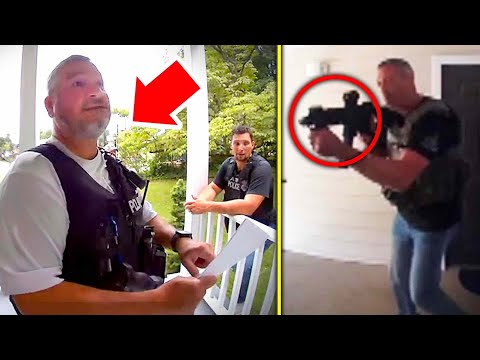
The most Common Reasons Gun Owners get ATF Visits SHOULD Concern You

Published on April 11, 2025
Duration: 17:56

This video outlines seven common ways gun owners can attract unwanted attention from the ATF. It emphasizes the risks of posting illegal activities online, the implications of credit card purchases for firearms, and FFL reporting requirements for multiple gun sales. The speaker also warns about the dangers of private sales to prohibited persons, being associated with individuals under ATF investigation, FFL paperwork errors, and potential repercussions from disgruntled acquaintances or family members.

Quick Summary

Gun owners can attract ATF attention by posting illegal activities online, using credit cards for firearm purchases that banks may report, and through FFL reporting of multiple gun sales. Association with individuals under ATF investigation, private sales to prohibited persons, FFL paperwork errors, and complaints from disgruntled acquaintances can also lead to ATF visits.

Chapters

  1. 00:00Introduction: ATF Radar
  2. 01:34Reason 1: Posting Illegal Things Online
  3. 03:26Reason 2: Credit Card Purchases
  4. 06:24Reason 3: Buying Multiple Guns at Once (FFL Reporting)
  5. 07:47Reason 4: Not Going Through FFL (Private Sales)
  6. 10:41Reason 5: Being Friends with Someone Under Investigation
  7. 13:16Reason 6: FFL Paperwork Mistakes
  8. 14:42Reason 7: Disgruntled Acquaintances/Family
  9. 15:57Reason 8: FFL Refusal of Data/Entry
  10. 17:19Conclusion: Unexpected Ways to Get ATF Visits

Frequently Asked Questions

What are common ways gun owners end up on the ATF's radar?

Common ways include posting illegal activities online, using credit cards for firearm purchases which banks may report, and FFLs reporting the sale of multiple firearms. Additionally, private sales to prohibited persons, association with individuals under ATF investigation, FFL paperwork errors, and complaints from disgruntled acquaintances can also trigger ATF attention.

How can online activity lead to ATF visits?

Posting illegal activities, such as possessing firearms with controlled substances, on social media can alert law enforcement and the ATF. Even if posts are deleted, they can often be recovered and used as evidence, especially if you are already a person of interest.

What are the risks associated with using credit cards for gun purchases?

Banks may report transaction patterns for firearm and ammunition purchases to the ATF. Significant increases in buying activity, like purchasing many firearms or large quantities of ammunition at once, can raise suspicion and lead to your information being shared with the ATF.

How do FFL reporting requirements affect gun owners?

Federal Firearms Licensees (FFLs) are legally required to report the sale of two or more firearms within a specific timeframe to the ATF. This includes semi-automatic rifles and pistols, creating a record that the ATF can use for investigations.

What should I do if the ATF visits my home?

If the ATF visits your home, it is advisable to have legal counsel present before answering any questions. This is to ensure you do not inadvertently incriminate yourself. Some concealed carry insurance policies may offer legal assistance for such situations.

More 2nd Amendment & Law Videos You Might Like

More from Hegshot87

View all →