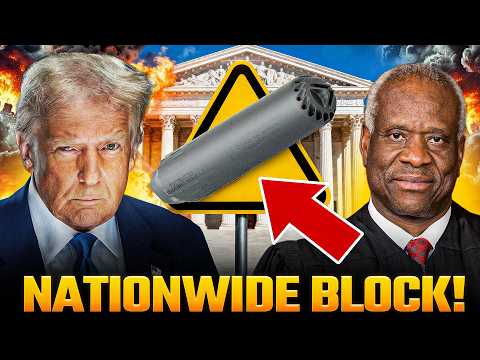
The Supreme Court Issues Its Biggest Ruling This Year

Published on June 28, 2024
Duration: 15:54

This video from Washington Gun Law TV discusses the Supreme Court's ruling in Loperbrite Enterprises v. Roando, which effectively ends Chevron deference. President William Kirk explains how this decision significantly limits the power of federal agencies like the ATF by requiring courts to independently interpret statutes rather than deferring to agency interpretations. The ruling is framed as a major victory for the separation of powers and a return to the original intent of the Administrative Procedure Act.

Quick Summary

The Supreme Court's ruling in Loperbrite Enterprises v. Roando ends Chevron deference, a doctrine requiring courts to defer to federal agencies' interpretations of ambiguous statutes. This decision means courts must now independently interpret laws, significantly limiting the power and discretion of agencies like the ATF and restoring judicial authority.

Chapters

  1. 00:00Introduction: Biggest Ruling of the Year
  2. 00:16Loperbrite Enterprises v. Roando Case
  3. 00:40The End of Chevron Deference
  4. 01:16Impact on Federal Agencies (ATF, CDC, FDA)
  5. 03:45Deep Dive into Loperbrite Enterprises v. Roando
  6. 04:01History of the Chevron Case (1984)
  7. 04:31Ruling Based on Administrative Procedure Act (APA)
  8. 05:08Chief Justice Roberts' Opinion
  9. 06:09APA's Role in Judicial Review
  10. 06:36Courts Decide Legal Questions (5 USC § 706)
  11. 07:07Agency Interpretations Not Entitled to Deference
  12. 07:48Independent Judicial Judgment
  13. 08:26Chevron vs. APA Conflict
  14. 09:05Chevron's Evolution and Impact
  15. 09:48The 'Fox Guarding the Hen House' Analogy
  16. 10:11Chevron Defies APA Mandates
  17. 11:17Reconciling Chevron with APA
  18. 12:00Agency Impartiality and Presidential Agendas
  19. 12:35Agencies Lack Special Competence in Ambiguities
  20. 13:29The Punchline: Leaving Chevron Behind
  21. 13:48Impact on Prior Cases (Stare Decisis)
  22. 14:34Significance of the Ruling
  23. 14:57Alleviating the Administrative State
  24. 15:12Contact Washington Gun Law
  25. 15:31Conclusion: Know the Law

Frequently Asked Questions

What is the significance of the Supreme Court's ruling in Loperbrite Enterprises v. Roando?

The Supreme Court's ruling in Loperbrite Enterprises v. Roando is highly significant because it effectively ends Chevron deference. This doctrine previously required courts to defer to federal agencies' interpretations of ambiguous statutes. The decision means courts must now independently interpret laws, significantly limiting the power and discretion of agencies like the ATF.

How does the Loperbrite Enterprises v. Roando ruling affect the ATF and other federal agencies?

The ruling directly impacts the ATF and other federal agencies by curtailing their ability to interpret statutes. Previously, agencies could rely on Chevron deference to have their interpretations of ambiguous laws respected by courts. Now, courts will exercise independent judgment, meaning agencies have less latitude to shape the enforcement and meaning of laws through their own interpretations.

What legal principle did the Supreme Court use to overturn Chevron deference?

The Supreme Court overturned Chevron deference primarily by referencing the Administrative Procedure Act (APA) of 1946. The Court found that Chevron's requirement for courts to defer to agency interpretations conflicted with the APA's mandate that reviewing courts decide all relevant questions of law and interpret statutory provisions themselves.

Does the Supreme Court's decision to end Chevron deference mean old cases relying on it will be reopened?

No, the Supreme Court has clarified that overruling Chevron deference does not mean prior cases that relied on its framework will be reopened. The holdings of those cases, including specific agency actions deemed lawful, remain subject to statutory stare decisis, even though the court's interpretive methodology has changed.

Related News

All News →

More 2nd Amendment & Law Videos You Might Like

More from Washington Gun Law

View all →