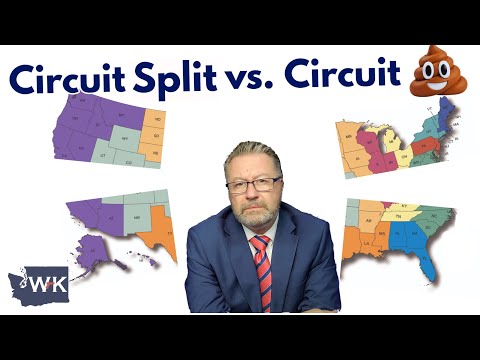
Why Everybody is Wrong About the New York Stun Gun Case

Published on April 15, 2026
Duration: 9:35

This video analyzes the Second Circuit's ruling in Kelsey v. New York City, which upheld New York's ban on stun guns and tasers. The speaker argues the court erred by misinterpreting Second Amendment precedent, particularly regarding the 'common use' test, and by incorrectly applying the ruling in Katano v. Massachusetts. The analysis highlights how courts may sidestep Second Amendment protections by narrowly defining terms or requiring specific historical evidence.

Quick Summary

The Second Circuit in Kelsey v. New York City upheld New York's ban on stun guns, ruling that plaintiffs failed to prove they are in common use for self-defense. This decision is analyzed for its interpretation of Second Amendment precedent and its relation to prior Supreme Court rulings like Katano v. Massachusetts.

Chapters

  1. 00:00Introduction: New York Stun Gun Case Ruling
  2. 00:52Kelsey v. New York City Case Overview
  3. 01:30Challenged New York Laws
  4. 01:52District Court Dismissal and Second Circuit Appeal
  5. 02:11Second Circuit's Reasoning: Common Use
  6. 03:03Critique of the Second Circuit's Test
  7. 03:45Panel's Ruling on Common Use Evidence
  8. 04:41Public Reaction and Disagreement
  9. 04:50Comparison to Beckwith v Fry
  10. 05:24Is the Ruling Contrary to Katano v. Massachusetts?
  11. 05:41Analysis of Katano v. Massachusetts
  12. 06:38Supreme Court's Explanations in Katano
  13. 08:13Did the Second Circuit Blow It?
  14. 08:39Conclusion: Kelsey v. New York City Analysis
  15. 08:49Contact Washington Gun Law

Frequently Asked Questions

What New York laws were challenged in Kelsey v. New York City?

The case challenged New York Penal Law Section 265.01 and New York City Administrative Code Section 10-135, which ban the possession of electric weapons, stun guns, and tasers.

Why did the Second Circuit uphold New York's stun gun ban?

The Second Circuit ruled that the plaintiffs failed to provide sufficient evidence that stun guns and tasers are in common use for self-defense, thus not presumptively protected by the Second Amendment.

How does the ruling in Kelsey v. New York City relate to Katano v. Massachusetts?

While many believe the Second Circuit's ruling violates Katano v. Massachusetts, a closer look suggests it's not a direct contradiction, as Katano's per curiam opinion was brief and addressed a flawed lower court test.

What is the 'common use' test in Second Amendment law?

The 'common use' test, as discussed in relation to stun guns, examines whether a weapon is widely possessed by law-abiding citizens for lawful purposes, particularly self-defense, to determine its Second Amendment protection.

Related News

All News →

More 2nd Amendment & Law Videos You Might Like

More from Washington Gun Law

View all →