5 HUGE Mistakes When Choosing The Best Concealed Carry Holster

Published on July 31, 2025
Duration: 32:43

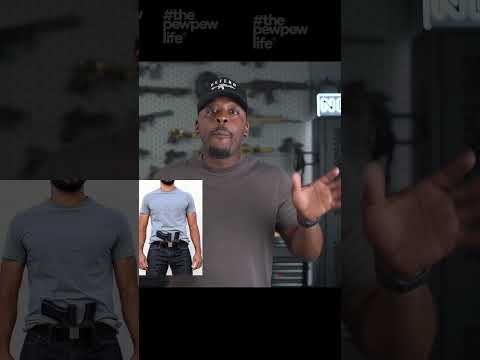
This guide, drawing on the expertise of a seasoned firearms gear reviewer, details five critical mistakes to avoid when selecting a concealed carry holster and belt. It emphasizes balancing safety, comfort, concealability, and accessibility, while offering practical advice on holster features, carry positions, and belt selection tailored to different body types and situations. Key takeaways include the importance of full trigger guard coverage, the function of concealment wings, and specific considerations for carrying while driving.

Quick Summary

Avoid five huge mistakes when choosing a concealed carry holster and belt. Prioritize safety, comfort, concealability, and accessibility. Utilize features like concealment wings and foam wedges, and select a rigid belt. Consider body type and carry position for optimal EDC.

Chapters

  1. 00:00Introduction to Holster Selection
  2. 00:33Holster Types and Carry Positions
  3. 01:25Secret 1: The Five Pillars of a Holster
  4. 02:55Secret 2: Essential Holster Features
  5. 04:50Secret 3: Carrying While Driving
  6. 06:11Secret 4: Comfort and Concealment Tweaks
  7. 07:49Secret 5: Choosing the Right Belt
  8. 09:37Bonus Secret 6: Body Type Considerations

Frequently Asked Questions

What are the five essential pillars for choosing a concealed carry holster?

A concealed carry holster must prioritize safety (trigger guard coverage, retention), comfort for all-day wear, effective concealability without printing, quick accessibility for a smooth draw, and compatibility with firearm accessories like lights and optics.

How can I improve the comfort and concealment of my IWB holster?

You can improve comfort and concealment by adjusting the holster's ride height via the clips and by adding foam wedges or padding to the holster body. These modifications help angle the firearm's grip closer to your body, reducing printing.

What is the most important safety consideration when carrying a concealed firearm in a vehicle?

When carrying appendix, it's crucial to position your seatbelt behind the holster, especially during driving. This prevents the firearm from potentially causing severe internal injury to your organs in the event of a sudden stop or accident.

How do different body types affect concealed carry holster and belt choices?

Body type significantly impacts holster choice. Women often benefit from appendix or belly band holsters due to hip structure. Men should experiment with appendix versus strong side carry based on their abdominal profile (e.g., 'gut' vs. 'muffin top') to optimize comfort and minimize printing.

Related News

All News →

More EDC & Lifestyle Videos You Might Like

More from Tactical Toolbox

View all →