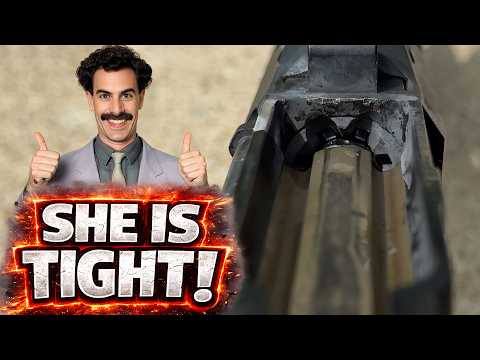
10 HUGE Mistakes to Avoid when Building an AR 15...

Published on June 15, 2020
Duration: 26:23

Avoid common pitfalls when building an AR-15 by planning your rifle's purpose and budget first. Prioritize quality for critical components like barrels and BCGs, and avoid overspending on standard lower receivers. Use proper tools and techniques for barrel installation to ensure accuracy and longevity. Focus on functionality over aesthetics, and be aware of potential issues like receiver slop.

Quick Summary

Avoid common AR-15 build mistakes by prioritizing quality for critical components like barrels and BCGs, and using proper tools for assembly. Don't overspend on standard lowers and ensure proper barrel installation with torque wrenches and headspace gauges.

Chapters

  1. 00:00Introduction: Top 10 AR-15 Build Mistakes
  2. 01:02Mistake 1: Lack of Planning
  3. 03:26Mistake 2: Cheaping Out on Critical Components (Barrel/BCG)
  4. 05:24Mistake 3: Overspending on Lowers
  5. 06:12Mistake 4: Ignoring Integrated Lower Features
  6. 07:22Mistake 5: Aesthetics Over Quality
  7. 08:42Mistake 6: Unmatched CNC Receivers
  8. 10:24Mistake 7: Using the Wrong Tools
  9. 14:54Mistake 8: Improper Barrel Installation
  10. 16:33Mistake 9: Settling for Subpar Parts
  11. 17:37Mistake 10: Reloaded Ammo & Maintenance

Frequently Asked Questions

What are the most critical components to avoid skimping on when building an AR-15?

The most critical components to prioritize quality for are the barrel and the Bolt Carrier Group (BCG). These parts are considered the 'heart' of the rifle and should be high-pressure tested and magnetic particle inspected to ensure reliability and safety.

Is it worth spending a lot of money on an AR-15 lower receiver?

For a standard AR-15 lower receiver, spending more than $120 is often unnecessary. Budget-friendly options from brands like Anderson Manufacturing or Palmetto State Armory provide similar functionality and reliability compared to more expensive, non-specialized lowers.

What are common mistakes made during AR-15 barrel installation?

Common mistakes include failing to use a torque wrench for proper tightening, not using a reaction rod to prevent receiver damage, and neglecting to use headspace gauges (Go/No-Go) to ensure the bolt locks correctly with the barrel extension.

Why is it important to use the right tools when building an AR-15?

Using the correct tools, such as roll pin punches, bench blocks, and vice blocks, is crucial. These tools prevent damage to the firearm's finish, protect delicate receiver 'ears', and ensure components are installed correctly without breaking.

Related News

All News →

More Gunsmithing & DIY Videos You Might Like

More from Tactical Toolbox

View all →