Concealed Carry Part 1: Overview and Responsibilities

Published on July 20, 2012
Duration: 17:12

This video provides a comprehensive overview of concealed carry responsibilities, legal structures, and practical considerations. It covers the philosophy of self-defense, US licensing variations (Constitutional, Shall Issue, May Issue, No Issue), and the importance of understanding reciprocity between states. The instructors also detail how to interact with law enforcement during a stop, common off-limits locations, and the critical mindset required for carrying a firearm.

Quick Summary

Concealed carry involves the responsibility of self-defense, understanding that police response is not immediate protection. It empowers individuals to act decisively in dangerous situations to save lives, requiring a serious mindset and awareness of legal obligations, including varying US licensing structures and reciprocity laws.

Chapters

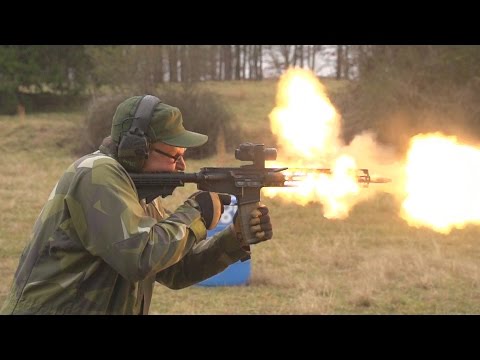
  1. 00:00Introduction and Shooting Demo
  2. 00:20Defining Concealed Carry
  3. 01:16The Responsibility of Self-Defense
  4. 02:49US Licensing Structures
  5. 05:07Reciprocity and State Laws
  6. 06:31Interacting with Law Enforcement
  7. 08:04Disclosure and Prohibited Locations
  8. 11:14Mindset and Philosophy

Frequently Asked Questions

What are the main responsibilities of concealed carry?

Concealed carry involves the responsibility of self-defense, understanding that police response is not immediate protection. It empowers individuals to act decisively in dangerous situations to save lives, requiring a serious mindset and awareness of legal obligations.

What are the different types of firearm licensing in the US?

The US has four main licensing types: Constitutional Carry (no permit needed), Shall Issue (permit granted if criteria met), May Issue (discretionary), and No Issue (prohibited). Laws vary significantly by state.

What is concealed carry reciprocity?

Reciprocity means one state recognizes another state's concealed carry permit. This is crucial for travelers, as laws differ widely, and a permit valid in one state may not be honored in another, requiring carriers to know border laws.

What are common 'off-limits' locations for concealed carry?

Common prohibited locations typically include government buildings, schools, churches, courthouses, polling places, airports, and nuclear power plants. Always verify local signage and regulations.

Related News

All News →

More EDC & Lifestyle Videos You Might Like

More from Iraqveteran8888

View all →