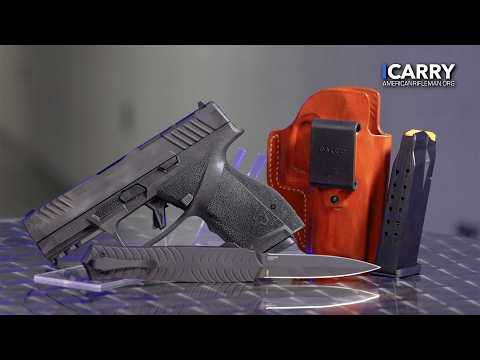
Concealed Carry Positions: Where to Carry and Why

Published on April 7, 2021
Duration: 8:34

This guide, based on instruction from USCCA's Director of Content Kevin Michalowski, details various concealed carry positions on the waist. It covers IWB vs. OWB, strong side hip, appendix, and cross-draw carries, emphasizing the importance of holster quality and personal experimentation to find the optimal carry method for comfort, concealment, and accessibility.

Quick Summary

Learn the best concealed carry positions on your waist, including IWB, OWB, Strong Side Hip, Appendix, and Cross-Draw. USCCA's Kevin Michalowski emphasizes choosing a method based on personal comfort, accessibility, and concealment needs, highlighting the importance of a quality gun belt and experimentation.

Chapters

  1. 00:00Introduction to Waist Carry
  2. 00:30IWB vs. OWB Holsters
  3. 01:23Strong Side Hip Carry
  4. 02:14Appendix Carry
  5. 04:08Sticky Holsters & Cross-Draw
  6. 06:29Conclusion & Personal Choice

Frequently Asked Questions

What are the main types of concealed carry positions on the waist?

The primary waist carry positions discussed are Strong Side Hip (around 4 o'clock), Appendix Carry (front of the body), and Cross-Draw Carry (opposite side of the body). The choice depends on personal comfort, accessibility needs, and concealment effectiveness.

What is the difference between IWB and OWB holsters for concealed carry?

IWB (Inside-the-Waistband) holsters are worn inside the pants for better concealment, while OWB (Outside-the-Waistband) holsters are worn on the exterior of the waistband, often offering more comfort but less concealment.

How important is a gun belt for concealed carry?

A high-quality concealed carry belt is crucial. It provides the necessary support to prevent sagging and ensure the holster remains stable, which is essential for both comfort and secure firearm retention throughout the day.

What is 'sticky' holster technology?

'Sticky' holsters are designed to stay in place using a special friction material on the back, eliminating the need for clips or straps. They can be used for various carry positions like appendix, hip, or cross-draw.

Related News

All News →

More EDC & Lifestyle Videos You Might Like

More from USCCA

View all →