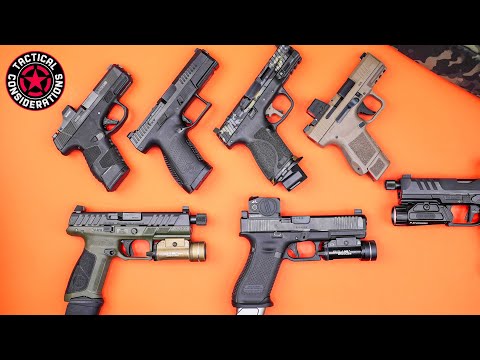
EDC Like A Boss Holsters, Belts, Capacity New Gun Owners Guide

Published on July 9, 2021
Duration: 13:44

This video provides a comprehensive guide to Everyday Carry (EDC) for new and experienced individuals, focusing on the '4 Cs': Capacity, Concealability, Clothing, and Comfort. It breaks down the importance of selecting the right holster, belt, and clothing to ensure effective and comfortable concealed carry. The instructor emphasizes practical considerations for drawing, concealment, and overall user experience, offering advice on avoiding conflict and the importance of training and legal protection.

Quick Summary

The '4 Cs' of Everyday Carry (EDC) are Capacity, Concealability, Clothing, and Comfort. These factors are essential for selecting the right holsters, belts, and attire to ensure effective and comfortable concealed carry, allowing individuals to be prepared without compromising their daily activities.

Chapters

  1. 00:00Introduction to EDC and the 4 Cs
  2. 00:13The 4 Cs: Capacity, Concealability, Clothing, Comfort
  3. 01:13Elements of EDC: Firearm, Holster, Belt, Clothing
  4. 01:30Holster Types: Appendix vs. Out of Waistband
  5. 02:40Understanding Carry Positions (Appendix, 3 O'Clock)
  6. 03:47Out of the Waistband (OWB) Holster Considerations
  7. 04:51Belt Selection: Buckle, Stiffness, and Material
  8. 06:01Recommended Belts: Blue Alpha, Core Essentials, Groove Life
  9. 06:33Clothing's Role in Concealability
  10. 06:51Concealability vs. Firearm Size
  11. 08:01Capacity vs. Size: Micro-compacts with Extended Mags
  12. 08:33Deep Dive into Firearm Capacity
  13. 09:26The Importance of Comfort in EDC
  14. 09:56Rules of EDC: Law, Behavior, Conflict Avoidance, Protection, Training
  15. 11:33Rule 5: Train How You Carry
  16. 12:06Off-Body Carry Options
  17. 13:11Resources and Links

Frequently Asked Questions

What are the four key factors for effective Everyday Carry (EDC)?

The four key factors for effective EDC, as outlined by the instructor, are Capacity, Concealability, Clothing, and Comfort. These elements work together to ensure you can carry a firearm effectively and comfortably for self-defense throughout your day.

How do holster types affect concealed carry?

Holster types significantly impact concealed carry. Appendix inside-the-waistband (IWB) holsters offer quick access but require training due to safety concerns. Three o'clock IWB holsters are generally more comfortable but can be slower to draw from and may print more. Out-of-the-waistband (OWB) holsters prioritize comfort over concealment.

What makes a good EDC belt?

A good EDC belt needs to be stiff enough to support the weight of a firearm without sagging or deforming, preventing discomfort and ensuring stability. However, it shouldn't be excessively stiff to the point of being uncomfortable for all-day wear. The buckle should be strong but not overly large to avoid interfering with carry positions.

Why is training how you carry so important for EDC?

Training how you carry is crucial because your daily attire and carry method might differ from range practice. If you typically carry in casual clothing with a specific holster, you must practice drawing and presenting from that exact setup. Inconsistent training can lead to reduced proficiency when you need it most.

Related News

All News →

More EDC & Lifestyle Videos You Might Like

More from Tactical Considerations

View all →