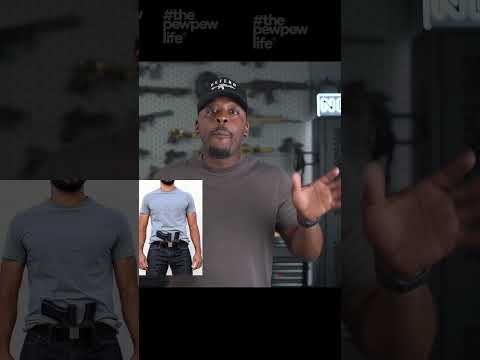
How to conceal smaller guns

Published on March 15, 2026
Duration: 0:27

This expert-level guide from Tenicor demonstrates how clothing choices and belt selection are paramount for effective concealed carry, even with smaller firearms. A sturdy yet comfortable belt is crucial for supporting firearm weight and leveraging holster features to minimize printing. The instruction emphasizes practical application for everyday carry.

Quick Summary

Effective concealed carry for smaller guns hinges on clothing and belt selection. A sturdy belt supports firearm weight and enables holster features to minimize printing, while the thickness and fit of your pants are also critical for a discreet profile.

Chapters

  1. 00:00Introduction: The Printing Problem
  2. 00:05Clothing and Belt: Crucial for Concealment
  3. 00:17Belt Characteristics for Optimal Concealment

Frequently Asked Questions

What is the most important factor for concealing smaller guns effectively?

Effective concealment of smaller guns relies heavily on your clothing choices and the quality of your belt. The fit, material thickness of your pants or shorts, and especially a sturdy belt are crucial for preventing printing and ensuring comfortable carry.

How does a belt contribute to better firearm concealment?

A sturdy belt supports the weight of your firearm and holster, preventing sagging. It also allows for the effective use of holster features like camming or rotation, which help to tuck the firearm closer to the body and minimize printing.

What makes a belt suitable for concealed carry?

A suitable concealed carry belt needs to be rigid enough to support the firearm's weight and leverage holster mechanisms, but not so rigid that it becomes uncomfortable for all-day wear. It strikes a balance between support and wearability.

Related News

All News →

More EDC & Lifestyle Videos You Might Like

More from Tenicor

View all →