How to Pick a Handgun | What to look for | Tactical Rifleman

Published on June 2, 2017
Duration: 6:47

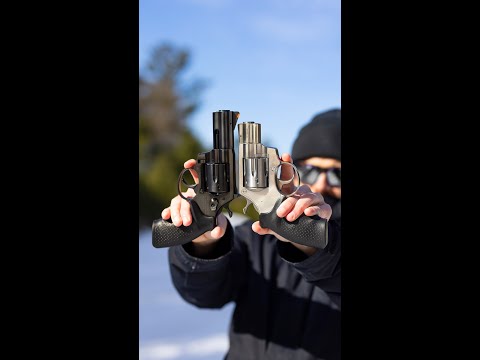
This guide, presented by Pete from Alan's Arsenal, a retired USSF member, offers practical advice on selecting a handgun. It emphasizes that the best choice is subjective and depends on individual needs, carry methods, and physical fit, rather than just brand loyalty. The video compares popular models like the Glock 19, Springfield XD, Diamondback, S&W Shield, 1911, and revolvers, detailing their features and suitability for different users.

Quick Summary

Choosing a handgun involves assessing your needs, carry method, and physical fit, rather than just brand loyalty. Expert Pete from Alan's Arsenal compares popular models like the Glock 19, Springfield XD, Diamondback, S&W Shield, 1911, and revolvers, highlighting features like ported barrels, fiber optic sights, and laser integration for effective self-defense.

Chapters

  1. 00:00Introduction and Subjectivity
  2. 01:06Glock 19 Gen 4
  3. 01:31Springfield XD
  4. 02:05Diamondback 9mm
  5. 02:54Smith & Wesson M&P Shield
  6. 03:471911 Platform
  7. 04:48Revolvers and Lasers

Frequently Asked Questions

What factors should I consider when choosing a handgun?

When choosing a handgun, consider its intended use (concealed carry, home defense), your preferred carry method, your physical attributes for a comfortable grip, and the firearm's specific features like capacity and ergonomics. Personal preference plays a role, but functionality should be prioritized.

How do different handgun types compare for concealed carry?

For concealed carry, thinner firearms like the Smith & Wesson M&P Shield are often preferred over wider double-stack pistols like the Glock 19 or Springfield XD. However, double-stacks offer higher capacity. The 1911 platform offers a thinner profile than most double-stacks but is typically longer.

What is the purpose of a ported barrel on a handgun?

A ported barrel on a handgun features vents near the muzzle that redirect gunpowder gases upwards. This action helps to counteract muzzle flip, reducing the perceived recoil and allowing for faster follow-up shots, particularly beneficial for compact or lightweight firearms.

Why is proper laser sight zeroing important?

Properly zeroing a laser sight ensures accuracy. The video recommends zeroing at 10-15 meters. An un-zeroed or improperly zeroed laser will cause shots to miss the intended point of impact, negating the benefit of the aiming aid.

Related News

All News →

More EDC & Lifestyle Videos You Might Like

More from Tactical Rifleman

View all →